
 By
By 
Navigating the modern food landscape can feel overwhelming. With countless grocery store aisles filled with packaged goods, catchy health marketing claims, and conflicting nutritional advice, figuring out what to eat each day is a challenge. Making nutritious food choices daily does not require a degree in nutrition or a complete overhaul of your entire lifestyle overnight. Instead, it is about building sustainable habits, understanding basic nutritional principles, and learning how to listen to your body cues. By focusing on whole foods, practical meal planning, and mindful eating, you can transform your daily diet into a powerful tool for long-term health and vitality.
Shift Your Mindset From Restriction to Addition
One of the main reasons people struggle with maintaining a healthy diet is the psychological trap of restriction. When you tell yourself that you can never eat your favorite foods again, your brain fixates on those exact items, leading to cravings, frustration, and eventual burnout.
Instead of focusing on what you need to cut out of your diet, shift your mindset toward what you can add. Ask yourself how you can introduce more nutrient-dense options into your meals. For example, if you are making pasta, do not just focus on the pasta itself. Think about how you can add a handful of spinach, diced bell peppers, or white beans to boost the fiber and vitamin content. By focusing on abundance rather than deprivation, eating healthily feels much more rewarding and sustainable over the long term.
Prioritize Whole Foods Over Ultra-Processed Items
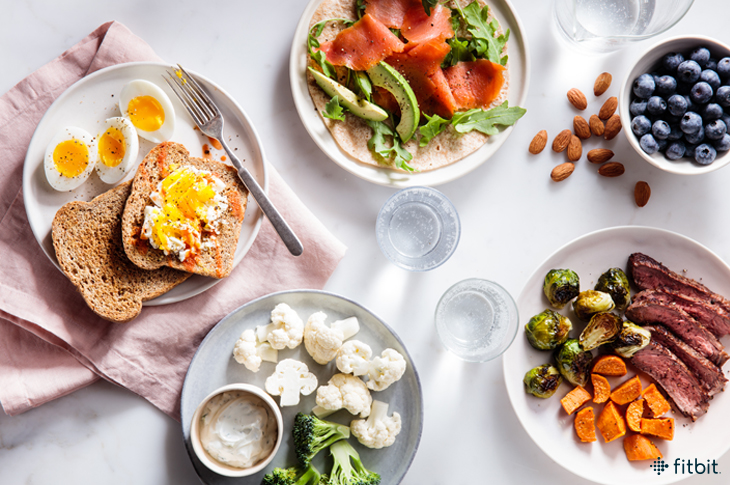
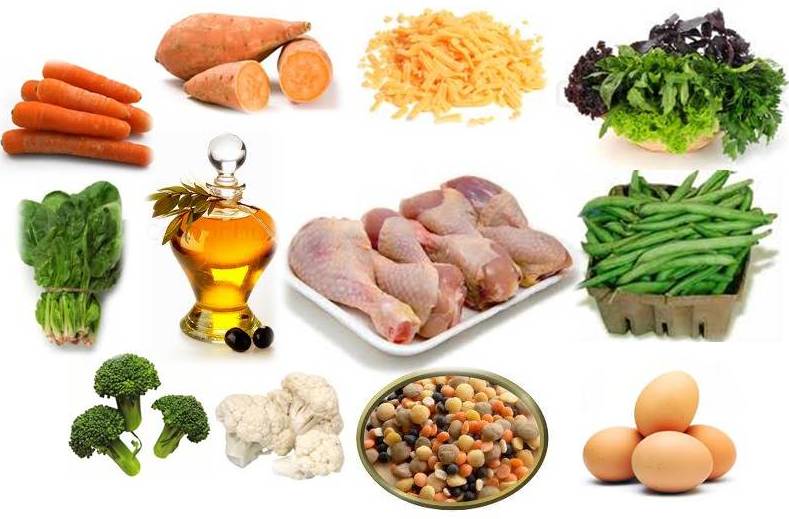
The single most impactful change you can make for your health is shifting the balance of your diet away from ultra-processed foods and toward whole foods. Whole foods are items that are as close to their natural state as possible, meaning they contain little to no artificial additives, refined sugars, or unhealthy fats.
-
Fresh Fruits and Vegetables: These provide essential vitamins, minerals, antioxidants, and dietary fiber that support immune function and cellular health.
-
Whole Grains: Options like brown rice, quinoa, oats, and whole-wheat bread offer sustained energy and support digestive health compared to refined white flour products.
-
Quality Proteins: Lean meats, poultry, fish, eggs, beans, lentils, and tofu supply the amino acids necessary for muscle repair and metabolic function.
-
Healthy Fats: Sources such as avocados, nuts, seeds, and extra virgin olive oil support brain function, hormone production, and nutrient absorption.
Ultra-processed foods, on the other hand, are heavily manufactured industrial formulations laden with sodium, preservatives, and empty calories. While they offer convenience, consuming them in excess can lead to chronic inflammation, energy crashes, and long-term health complications.
Master the Art of Smart Grocery Shopping
Your daily nutritional choices begin the moment you step foot inside a grocery store. If your pantry and refrigerator are stocked with nutrient-dense options, making healthy choices throughout the week becomes effortless. Conversely, if your home is filled with tempting processed snacks, your willpower will eventually wear down.
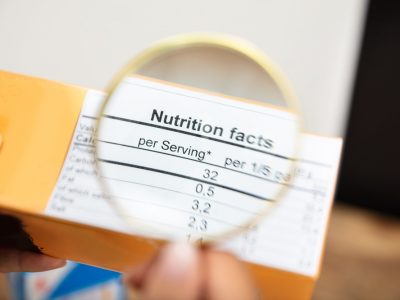
Plan your grocery trips by writing out a structured shopping list based on the perimeter of the store. Most grocery stores are designed with the fresh produce, meat, dairy, and seafood sections located along the outer walls, while the center aisles house the heavily processed, shelf-stable items. Spend the majority of your shopping time along the perimeter. When you do venture into the center aisles, read nutrition labels carefully. Look for short ingredient lists where recognizable whole-food ingredients take precedence over chemical additives and high amounts of added sugars.
Practice Practical Meal Planning and Prep
Lack of time is the most common excuse people use for defaulting to fast food or takeout. When you come home after a long workday, the thought of cooking a healthy meal from scratch can feel daunting. This is where practical meal planning and preparation save the day.
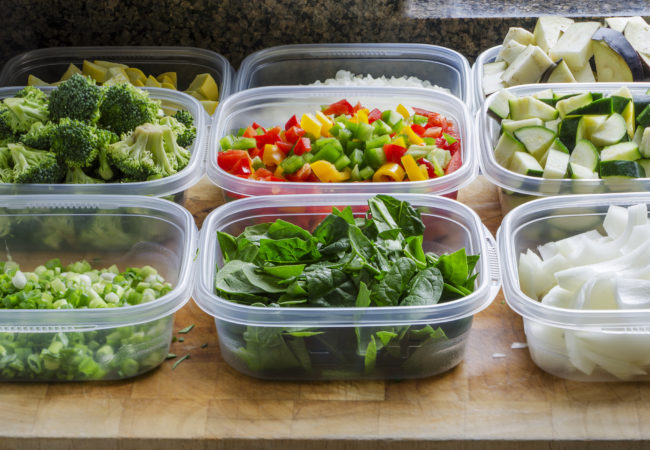
You do not need to spend your entire Sunday cooking elaborate meals in containers for the upcoming week if that does not fit your lifestyle. Instead, focus on batch cooking versatile staple ingredients. Boil a batch of quinoa, roast a large tray of mixed vegetables, or grill a few chicken breasts at the beginning of the week. Having these components ready to mix and match allows you to assemble balanced, wholesome meals in a matter of minutes when hunger strikes.
Listen to Hunger and Satiety Cues
Modern eating habits are often dictated by external clocks, social settings, or emotional triggers rather than actual physical hunger. Learning to tune back into your body internal hunger and satiety cues is a cornerstone of making balanced food choices.
Before you eat, pause for a moment to assess your physical hunger level on a scale from one to ten. Are you genuinely hungry, or are you eating out of boredom, stress, or fatigue? Eating when you are moderately hungry and stopping when you feel comfortably satisfied prevents overeating and digestive discomfort. Eating slowly and minimizing distractions, such as turning off your phone or television while dining, allows your brain enough time to register fullness signals from your stomach.
Frequently Asked Questions
How can I make healthy food choices when eating out at restaurants?
Eating out does not have to derail your nutritional goals if you approach the menu strategically. Look for dishes that are grilled, baked, steamed, or roasted rather than deep-fried or pan-seared in heavy oils. You can also request dressings and sauces on the side so you can control the exact amount you consume. Additionally, filling up on a glass of water and a side salad or vegetable appetizer before your main meal arrives can help moderate your overall portion intake.
Are frozen fruits and vegetables as nutritious as fresh produce?
Frozen fruits and vegetables are often just as nutritious, and sometimes even more nutritious, than fresh produce. They are typically harvested at peak ripeness and flash-frozen immediately, which locks in their vitamins and minerals. Fresh produce, by contrast, can sit in transit and on grocery store shelves for days or weeks, gradually losing some of its nutrient content. Frozen options are also budget-friendly, have a long shelf life, and reduce food waste.
What is the best way to handle sugar cravings without giving up entirely?
Sudden sugar cravings often stem from energy dips, inadequate protein intake at meals, or sleep deprivation rather than a true need for sweets. When a craving hits, try drinking a large glass of water and waiting ten minutes to see if it passes. If you still want something sweet, opt for nutrient-dense alternatives like a piece of fresh fruit, Greek yogurt with a drizzle of honey, or a small square of dark chocolate, which satisfies the palate while providing antioxidants.
How much water should I drink daily to support good nutrition?
While individual hydration needs vary based on body size, activity level, climate, and overall health, a general guideline is to drink enough water so that your urine is a pale yellow color. Proper hydration is essential because the body often confuses thirst with hunger, leading to unnecessary snacking. Keeping a reusable water bottle with you throughout the day serves as a visual reminder to stay hydrated and supports optimal metabolic function.
Can I eat healthy on a tight budget?
Eating nutritious food on a budget is entirely achievable if you focus on affordable staples rather than trendy superfoods. Dried beans, lentils, brown rice, oats, eggs, frozen vegetables, and canned tuna or salmon provide exceptional nutritional value at a fraction of the cost of specialty health foods. Buying produce that is in season and purchasing grains in bulk sections can also significantly lower your weekly grocery bill while keeping your diet wholesome.
How do I stay consistent with healthy eating when traveling or having a busy schedule?
Consistency relies on preparation and flexibility rather than perfection. When traveling or facing an exceptionally busy week, pack portable, non-perishable snacks such as raw nuts, seeds, piece-of-fruit options, or whole-food protein bars to prevent getting excessively hungry. Research local grocery stores or restaurants near your destination beforehand so you can identify healthy meal options and avoid being forced to rely entirely on fast-food drive-thrus when hunger strikes.







Comments