
 By
By 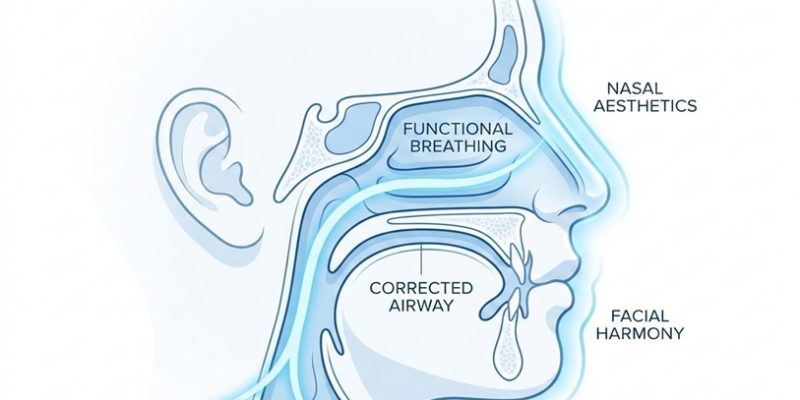
When Appearance and Breathing Overlap
Rhinoplasty is often thought of as cosmetic surgery designed to change the size, shape, or proportions of the nose. But appearance is only part of the story. The nose also plays an important role in breathing, and structural problems can make everyday activities such as sleeping, exercising, and simply breathing comfortably more difficult.
People who live with constant congestion, mouth breathing, snoring, previous nasal trauma, or the feeling that one side of the nose is always blocked may have an underlying structural issue. In some cases, functional rhinoplasty can improve nasal airflow while also addressing concerns about appearance.
Understanding how nasal function and aesthetics overlap can help patients ask better questions and make more informed decisions about treatment.
What Is Functional Rhinoplasty?
Functional rhinoplasty focuses on correcting structural problems that interfere with nasal breathing. Rather than changing appearance alone, the procedure may address the nasal valves, septum, cartilage, or other supporting structures that help keep the airway open.
The line between functional and cosmetic rhinoplasty isn’t always clear. A crooked or collapsed nose, for example, may cause both visible asymmetry and difficulty breathing. Repairing the underlying structure can affect appearance and function at the same time.
Some patients also want cosmetic changes while needing structural repair. In those situations, careful planning is especially important because changes to the outside of the nose can influence the airway.
A consultation with a physician experienced in nasal anatomy and facial aesthetics can help determine whether both goals can be addressed together. North Texas Facial Plastic Surgery, for example, provides rhinoplasty and nasal surgery services in the Dallas area for cosmetic and reconstructive concerns. Its website also discusses functional rhinoplasty as part of its nasal surgery services.
Common Causes of Nasal Obstruction
Chronic nasal obstruction can have several causes, and not all of them require rhinoplasty. A deviated septum occurs when the wall separating the nasal passages is displaced enough to restrict airflow on one or both sides. Enlarged turbinates can also contribute to persistent congestion. These structures help warm and humidify incoming air, but chronic swelling may make it harder to breathe through the nose.
Another possible cause is nasal valve collapse. The nasal valve is one of the narrowest areas of the nasal airway, so weakness or narrowing there can noticeably affect breathing. Some people notice the side of the nose pulling inward when they take a deep breath, especially during exercise.
Structural problems may also occur alongside allergies, chronic rhinitis, sinus disease, or nasal polyps. North Dallas ENT notes that nasal obstruction can involve issues such as a deviated septum, enlarged turbinates, nasal polyps, and nasal valve problems.
Because these symptoms often overlap, having a blocked nose doesn’t automatically mean rhinoplasty is the right treatment. Depending on the diagnosis, options may include medication, allergy treatment, septoplasty, turbinate treatment, sinus procedures, minimally invasive treatments, or other approaches.
Why Chronic Nasal Blockage Is Worth Evaluating
It’s easy to get used to poor nasal breathing over time. Someone may sleep with their mouth open, regularly reach for decongestants, avoid strenuous exercise, or accept that one nostril rarely feels clear.
Those habits can make an underlying problem seem normal when it isn’t. An ear, nose, and throat evaluation can help determine whether symptoms are caused by structural obstruction, allergies, rhinitis, sinusitis, nasal polyps, or a combination of factors.
A sinus specialist, for example, evaluates concerns including nasal obstruction, deviated septum, sinus problems, allergies, and sleep-related conditions. The practice describes treatments ranging from medical management to procedures for septal deviation, enlarged turbinates, nasal valve problems, and sinus disease.
This type of evaluation can be especially useful before rhinoplasty. If inflammation, sinus disease, and structural narrowing are all contributing to breathing problems, changing the visible shape of the nose alone may not address the underlying cause.
Functional Rhinoplasty, Nasal Breathing, and Sleep
Nasal blockage can become especially noticeable at night. Congestion may feel worse when lying down, and restricted nasal airflow can encourage mouth breathing or contribute to snoring. Poor sleep can affect concentration, energy, mood, and physical performance during the day.
Nasal obstruction may also contribute to sleep-related breathing problems, but it shouldn’t automatically be treated as the only cause. Obstructive sleep apnea involves repeated narrowing or blockage of the upper airway during sleep and may require a broader evaluation.
North Dallas ENT notes that when nasal anatomy contributes to sleep-related breathing concerns, treatment may involve the septum, turbinates, or nasal valves, depending on the location and severity of the obstruction.
Anyone who snores heavily, wakes up gasping, experiences significant daytime sleepiness, or has been told they stop breathing during sleep should discuss those symptoms with a qualified healthcare professional. Improving nasal airflow may be part of treatment for some patients, but functional nasal surgery isn’t a replacement for a full sleep apnea evaluation or other prescribed therapy.
How Previous Nasal Injuries Can Affect Breathing
A nasal injury can change both the shape of the nose and the airway inside it. Sports injuries, falls, vehicle accidents, and other blows to the face can fracture the nasal bones, shift the septum, or weaken the structures that support the nose. Some problems are obvious right away. Others become easier to notice after swelling goes down.
Prompt assessment can be helpful after a significant injury, especially when there is heavy swelling, bleeding, visible deformity, severe pain, or trouble breathing. An urgent care clinic may provide an initial evaluation and help determine whether emergency treatment, imaging, or specialist follow-up is needed.
Carolina Urgent Care, for instance, may be considered as an urgent care option for the initial evaluation of acute nasal injuries and facial trauma.
Problems can also appear long after an injury seemed to heal. Months or even years later, someone may notice that the nose looks more crooked or that airflow is consistently worse on one side. A specialist can evaluate whether an old fracture, displaced septum, or weakened nasal support is contributing to those symptoms.
Combining Functional Rhinoplasty With Cosmetic Goals
When breathing problems and cosmetic concerns exist together, treating them as completely separate issues may not always be practical. The outer framework of the nose helps support the airway. Changes made for appearance can therefore affect breathing, while structural repairs designed to improve airflow can alter the visible shape of the nose.
A surgeon may assess the septum, nasal valves, cartilage support, bridge, tip position, and overall facial proportions rather than focusing on one feature in isolation. The goal of functional rhinoplasty isn’t simply to make the airway as large as possible. The nose also needs enough structural strength and support to function properly over time.
Patients should be open about both functional and cosmetic concerns during a consultation. Someone who wants to reduce a prominent hump but also struggles to breathe through one side of the nose should mention both issues. That gives the surgeon a clearer picture of the patient’s anatomy, priorities, and expectations.
Looking Beyond the Nose at Overall Health
Fatigue, poor sleep, breathing difficulty, and reduced exercise tolerance don’t always come from a single problem. Even when nasal obstruction is present, other conditions may affect how someone feels from day to day. These can include allergies, asthma, obesity, hypertension, metabolic conditions, hormonal concerns, or other chronic health issues.
Primary care can help provide that broader view. Routine monitoring may identify factors outside the nose that affect sleep, energy, recovery, or general health.
For patients interested in preventive care, wellness services, and chronic disease management, more information is available through fygulfcoast.com. The practice describes its primary care services as including preventive care, treatment of everyday health concerns, and ongoing management of chronic conditions.
This broader medical picture can also matter before elective surgery. A nasal specialist focuses on the anatomy and planned procedure, while a primary care clinician may help monitor medications, existing diagnoses, blood pressure, metabolic health, and other factors relevant to medical decision-making.
What Happens During a Nasal Breathing Evaluation?
A thorough evaluation usually starts with the patient’s history. A clinician may ask when breathing problems began, whether one or both sides of the nose are affected, whether symptoms change throughout the day, and whether allergies, sleep, exercise, or previous injuries make them worse.
Previous nasal surgery also matters because scar tissue and changes in structural support can affect future treatment options.
The physical examination may include both the external appearance of the nose and internal structures such as the septum and turbinates. Depending on the symptoms, further assessment may be needed to look for sinus disease, nasal valve narrowing, polyps, or other causes of obstruction. North Dallas ENT, for example, describes different approaches to nasal obstruction depending on whether the underlying issue involves inflammation, septal deviation, enlarged turbinates, polyps, or nasal valve problems.
Anyone considering surgery should also discuss recovery, possible complications, limitations, and realistic outcomes. Functional improvement may be an important goal, but results depend on the patient’s anatomy, diagnosis, healing response, and the procedure being performed.
Functional Rhinoplasty Is About More Than Appearance
For some patients, rhinoplasty is about much more than changing the way the nose looks. The nose also serves as an airway, and structural problems involving the septum, turbinates, nasal valves, or supporting framework can affect sleep, exercise, and everyday comfort.
The right treatment starts with identifying what’s causing the symptoms. Some people may benefit from medical treatment or sinus care. Others may have structural problems that require surgical correction. When cosmetic and breathing concerns occur together, evaluating both at the same time can lead to a more complete treatment plan.
Long-term nasal blockage is worth discussing with a qualified healthcare professional, especially when it interferes with sleep, exercise, or daily life. A coordinated approach can help patients understand their options and make decisions based on both nasal function and quality of life.










Comments