
 By
By 
For many people, interest in iv therapy comes down to something quite practical: they want supportive treatment that feels structured, medically guided, and easy to fit into a demanding schedule. Astrid presents its IV programme as a personalised service in Bangkok, with options including NAD+, Myer’s Cocktail, immunity support, glowing skin, detox-focused formulas, and doctor-designed nutrient infusions, all delivered by trained medical staff in a supervised setting.
Why Convenience Shapes Wellness Decisions
A treatment can sound appealing in theory but still be difficult to justify in real life. That is especially true for people balancing work, travel, social commitments, or a packed city routine. One reason IV therapy attracts attention is that it can feel more manageable than treatments that require significant downtime or a long recovery window.
Astrid states that its IV sessions generally last 30 to 60 minutes and that there is no downtime afterwards, with clients able to return to normal activities immediately. That matters because convenience often plays a bigger part in health decisions than people admit. A treatment is simply easier to consider when it does not force the rest of the day off course.
There is also a broader appeal in the format itself. The FDA describes infusion pumps as medical devices used to deliver fluids such as nutrients and medications into the body in controlled amounts, which helps explain why IV-based treatments are often associated with a more structured clinical setting rather than a casual wellness add-on.
Why Personalisation Matters More Than A Trendy Name
A lot of people first notice the label attached to a treatment, whether that is NAD+, Myer’s Cocktail, or an immunity blend. The stronger question, though, is whether the programme is being tailored with any real thought behind it. Generic treatment menus may be easy to understand, but they do not always inspire much confidence.
Astrid leans heavily on personalisation. Its page says that personalised IV nutrient infusions are curated by its medical team based on lab diagnostics, body condition, lifestyle, and wellness goals, and the clinic describes its in-house physicians as developing treatment plans around individual health needs. That kind of positioning is often more reassuring than broad promises, because it suggests the process begins with the person rather than the package.
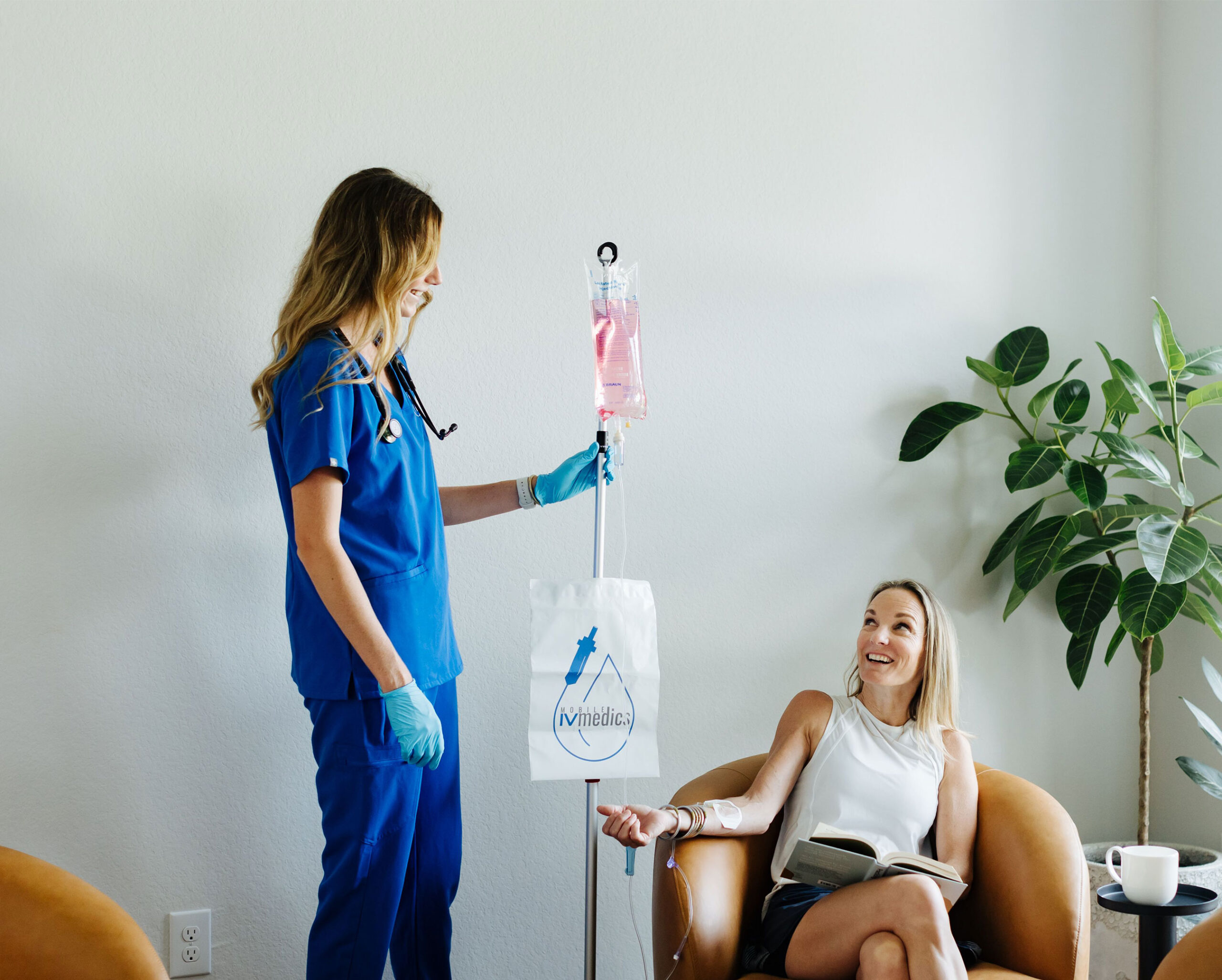
That difference also helps separate a medically framed service from a trend-led one. When a clinic explains how formulas are matched to health history, lab markers, and personal objectives, the treatment tends to feel more credible and more thoughtfully delivered.
Why The Setting Influences Confidence
People do not only choose a treatment. They choose the environment around it. They notice whether a clinic feels calm, organised, and professionally run, especially when the treatment involves intravenous delivery. Confidence often comes from those surrounding signals as much as the treatment category itself.
Astrid describes its IV therapy as combining high-quality medical care with a refined wellness experience, and says it uses sterile protocols, advanced IV therapy technology, and trained medical staff under expert supervision. Those details are important because they tell patients something about how the treatment is handled, not just what is on the menu.
For many people, that is what makes the difference between curiosity and action. A treatment may sound appealing, but the decision often depends on whether the provider seems to understand both the medical and experiential sides of care. A polished space alone is not enough. Clear oversight and structure matter more.
Why People Often Prefer A Measured Approach
The strongest wellness decisions are rarely the most dramatic ones. More often, they are the options that feel sustainable, practical, and easy to revisit when needed. That is one reason IV therapy can appeal to people who are not chasing an extreme intervention but do want something more directed than taking supplements casually and hoping for the best.
Astrid’s programme is positioned in exactly that way. Its page presents a range of formulas linked to different goals, from energy and vitality to skin-focused support and personalised nutrient blends, and it provides example guidance on session frequency, such as weekly NAD+ sessions for an initial period followed by maintenance. That kind of structure tends to appeal to people who want a clearer framework rather than a vague promise of feeling better.
What makes IV therapy appealing for many patients is not only the treatment itself, but the fit. It can sit neatly within a busy day, feel professionally managed, and be tailored to personal goals in a way that seems deliberate rather than generic. When a treatment offers that combination of practicality and individual planning, it usually feels far more worthwhile.











Comments