
 By
By 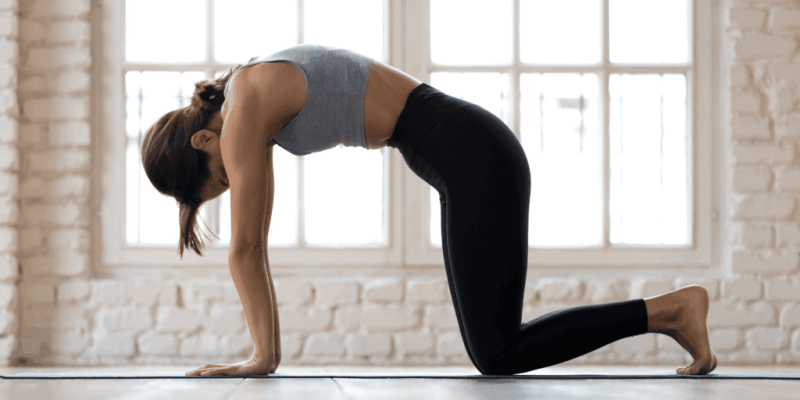
A week dominated by screen work and long meetings can leave the neck, hips and back feeling stiff. The natural response is often to book the deepest stretching class available, but stiffness after prolonged sitting does not always mean the body simply needs more passive range.
When considering yoga classes near me after a desk-heavy week, practitioners should match the format to their energy, movement control and overall fatigue. Hatha, mobility, restorative and active classes solve different problems, even when each one includes familiar yoga positions.
Start by Separating Stiffness from Fatigue
A person can feel stiff while also being physically and mentally tired. These two conditions require different decisions.
Someone with reasonable energy may benefit from active movement that challenges balance and control. A person exhausted after late meetings may find the same class unnecessarily demanding.
The most appropriate session depends on whether the practitioner needs movement variety, muscular work, lower intensity or a combination of these factors.
Desk Work Reduces Movement Variety
Sitting is not automatically harmful, but remaining in one position for long periods can make the transition to standing feel difficult. The hips and knees stay flexed, while the arms and head remain oriented towards the screen.
A short outdoor walk may create warmth without restoring movement in other directions. Feeling less cold is not the same as regaining comfortable mobility.
Yoga can introduce rotation, extension, balance and weight-bearing, but these movements should be progressed rather than forced.
Hatha Yoga Can Rebuild Awareness
A structured Hatha class often uses slower pacing and longer holds. This gives practitioners time to notice foot pressure, breathing and how the body distributes effort.
For desk workers, the slower format may reveal that a seemingly tight hip is also struggling to stabilise. It may also expose a tendency to compensate through the lower back during standing poses.
Hatha can be active without becoming fast. It may suit practitioners who want challenge with enough time to adjust each position.
Mobility Classes Should Include Control
A mobility-focused class can help desk workers explore the hips, shoulders and spine through varied ranges. However, greater flexibility should not become the only objective.
Active mobility requires muscular control. Slow leg movements, shoulder rotations and transitions can help practitioners use their available range rather than simply increase it.
A class that combines range and control may provide more practical value than repeatedly holding the deepest possible stretch.
Restorative Yoga Fits High-Fatigue Days
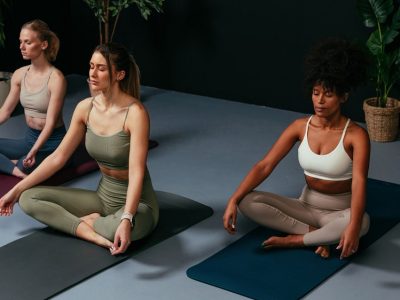
Restorative formats reduce muscular effort through support, slower pacing and comfortable positions. They can suit days when work stress and poor sleep have already created substantial fatigue.
The purpose is not to eliminate every sensation of tightness in one session. It is to lower demand and allow the practitioner to move or rest without another performance target.
Restorative classes should remain genuinely lower intensity. Turning every supported position into an aggressive stretch reduces their recovery value.
Yin Yoga Creates a Different Demand
Yin Yoga commonly uses longer-held positions with less active muscular effort. These holds can still create strong sensations.
Desk workers should avoid assuming that more discomfort will reverse more sitting. Range, time and prop height can be adjusted.
A person who already has large passive range may benefit more from active control on another day. Yin can be one part of the week rather than the automatic solution for every feeling of stiffness.
Dynamic Classes May Help Energetic Practitioners
A dynamic session can increase movement variety and provide a clear break from the working day. It may suit someone who feels mentally tired but physically ready to move.
The practitioner should still account for wrists, shoulders and legs. Repeated planks, lunges and transitions create real training load.
If the week also includes gym training or running, the dynamic yoga session should fit around those demands rather than being added without consideration.
Neck Discomfort Requires Sensible Expectations
People often describe desk-related neck tension as a posture problem that yoga should correct. This can oversimplify the issue.
Movement breaks, workstation adjustments, sleep and stress can all influence how the neck feels. A yoga class may provide varied movement without diagnosing or treating the cause.
Practitioners should avoid forcing large neck circles or extreme positions. Persistent pain, weakness or neurological symptoms require appropriate professional assessment.
Back Stiffness Does Not Always Need a Deep Backbend
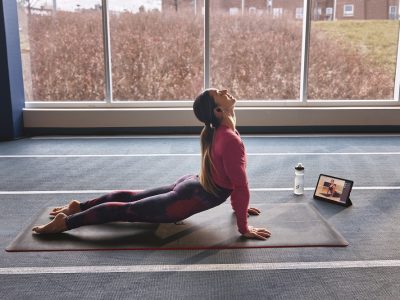
After sitting, a strong backbend may feel like the opposite of the working posture. However, the movement can concentrate in the lower back when the shoulders, hips and upper spine are not contributing comfortably.
Smaller extensions supported by controlled breathing may be more useful. Props can also reduce the need to chase depth.
The objective is distributed movement and control, not creating the largest possible curve.
Choose According to the Following Day
The effect of a class becomes clearer afterwards. Practitioners should observe sleep, energy, soreness and comfort during normal movement the following day.
If the session leaves them refreshed and stable, it probably fitted the week. If it creates significant fatigue, the format or timing may need adjustment.
One class cannot completely compensate for several days of limited movement. Short breaks during work remain important.
Build a Mixed Weekly Approach
The active, foundational and restorative formats available through Yoga Edition give desk-heavy practitioners several ways to respond to changing energy. The same format does not need to be selected every week.
An active class can develop strength and control, while a restorative session can reduce demand. Mobility work can explore range without turning every position into a flexibility test.
The best class for a desk-heavy week is not always the gentlest or most intense. It is the session that matches current fatigue and adds the type of movement the week has been missing.





Comments