
 By
By 
Introduction
Maintaining a healthy diet is one of the most important steps toward improving overall health, boosting energy, and supporting weight management. A well-balanced diet provides essential nutrients, promotes proper bodily functions, and reduces the risk of chronic diseases. With the abundance of diet trends and conflicting nutrition advice, it can be challenging to determine the most effective strategies for healthy eating. This guide offers evidence-based diet tips to help individuals make informed choices and achieve sustainable health goals.
The Importance of a Balanced Diet
A balanced diet ensures that your body receives the necessary nutrients it needs to function optimally. This includes macronutrients such as carbohydrates, proteins, and fats, as well as micronutrients like vitamins and minerals. Each nutrient plays a unique role:
-
Carbohydrates provide energy for daily activities and support brain function. Choosing complex carbohydrates like whole grains and vegetables helps maintain stable blood sugar levels.
-
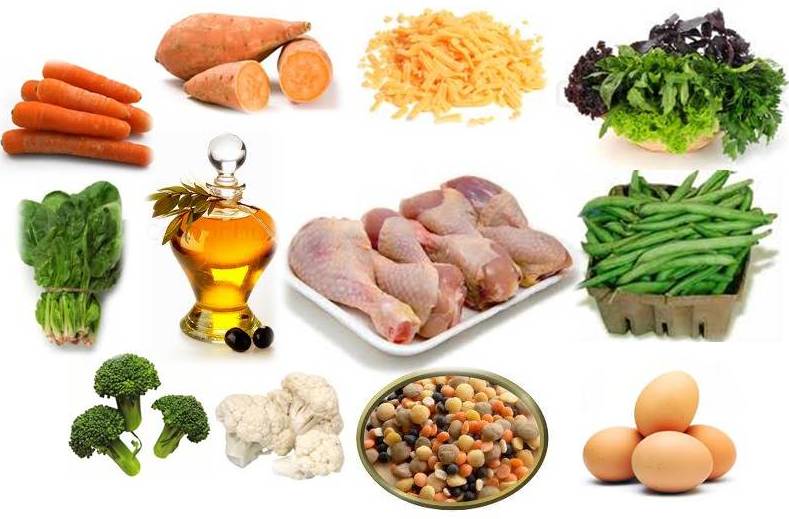
Proteins are essential for building and repairing tissues, supporting immune function, and maintaining muscle mass. Sources include lean meats, fish, eggs, legumes, and dairy.
-
Healthy Fats aid in nutrient absorption, support cell health, and provide long-term energy. Focus on unsaturated fats from nuts, seeds, olive oil, and fatty fish.
-
Vitamins and Minerals regulate vital processes in the body, from bone health to immune defense. Consuming a variety of fruits, vegetables, and fortified foods ensures adequate intake.
Understanding Portion Control
Portion control is a fundamental component of healthy eating. Overeating, even healthy foods, can lead to weight gain and metabolic issues. Practical strategies for portion control include:
-
Using smaller plates and bowls to naturally reduce serving sizes.
-
Measuring portions with cups, spoons, or a food scale until you can estimate accurately.
-
Listening to hunger cues and stopping eating when you feel satisfied, not full.
-
Dividing meals into balanced portions of proteins, carbohydrates, and vegetables.
Hydration and Its Role in Diet
Water is a vital component of any diet. Staying hydrated supports digestion, nutrient absorption, and metabolism. Dehydration can cause fatigue, poor concentration, and overeating due to misinterpreted thirst signals. Tips for proper hydration include:
-
Drinking water throughout the day, aiming for at least 8–10 cups.
-
Consuming water-rich foods like cucumbers, watermelon, and oranges.
-
Reducing sugary drinks and excessive caffeine, which can contribute to dehydration.
Incorporating More Fruits and Vegetables
Fruits and vegetables are nutrient-dense foods that provide fiber, antioxidants, vitamins, and minerals. A diet rich in these foods can reduce the risk of chronic diseases, support digestive health, and improve satiety. Strategies for incorporating more produce include:
-
Filling half of your plate with vegetables during lunch and dinner.
-
Adding fruits to breakfast, snacks, or desserts.
-
Experimenting with different cooking methods like roasting, steaming, or stir-frying to enhance flavor.
Mindful Eating Practices
Mindful eating encourages awareness of food choices, eating pace, and emotional triggers. Practicing mindfulness can prevent overeating, improve digestion, and promote a healthier relationship with food. Techniques include:
-
Eating without distractions such as TV, smartphones, or computers.
-
Chewing food slowly and savoring each bite to recognize fullness cues.
-
Paying attention to hunger and satisfaction signals rather than eating out of habit or emotion.
Healthy Meal Planning
Meal planning is a powerful tool for maintaining a balanced diet and avoiding unhealthy choices. Preparing meals in advance ensures nutrient-rich options are readily available. Tips for effective meal planning include:
-
Creating a weekly menu with balanced meals that include proteins, whole grains, and vegetables.
-
Batch-cooking staples like grilled chicken, roasted vegetables, or quinoa to simplify weekday meals.
-
Packing healthy snacks, such as nuts, yogurt, or fruit, to prevent impulsive eating of processed foods.
Understanding Macronutrient Balance
Proper macronutrient balance supports energy levels, muscle maintenance, and overall health. The ideal ratio may vary based on individual goals, activity levels, and metabolism. General recommendations include:
-
45–65% of daily calories from carbohydrates, preferably from whole grains, fruits, and vegetables.
-
20–35% of daily calories from healthy fats, including sources like olive oil, avocado, and fatty fish.
-
10–35% of daily calories from protein, focusing on lean animal or plant-based sources.
Reducing Processed Foods and Added Sugars
Processed foods and added sugars contribute to weight gain, insulin resistance, and chronic diseases. Reducing these foods in your diet can improve energy levels and long-term health. Strategies include:
-
Reading nutrition labels to identify hidden sugars, sodium, and unhealthy fats.
-
Replacing sugary beverages with water, herbal tea, or unsweetened alternatives.
-
Choosing whole, unprocessed foods such as vegetables, fruits, lean proteins, and whole grains.
Snacking Wisely
Snacking can support metabolism and prevent overeating at main meals if done mindfully. Healthy snack options provide nutrients without excessive calories:
-
Fresh fruits or vegetables paired with hummus or nut butter.
-
Greek yogurt with berries for protein and antioxidants.
-
A handful of nuts or seeds for healthy fats and sustained energy.
Diet Tips for Weight Management
Weight management involves a combination of proper nutrition, portion control, physical activity, and lifestyle habits. Effective diet tips include:
-
Tracking calorie intake to ensure a sustainable deficit or balance based on goals.
-
Including high-fiber foods to increase satiety and reduce hunger.
-
Prioritizing protein in meals to preserve lean muscle mass and boost metabolism.
-
Avoiding extreme diets that eliminate entire food groups, which can be unsustainable and nutritionally inadequate.
Role of Exercise in a Healthy Diet
Nutrition and physical activity work hand-in-hand for optimal health. Regular exercise supports weight management, cardiovascular health, and muscle development. Integrating physical activity into your routine enhances the benefits of a balanced diet. Recommended strategies include:
-
Combining aerobic exercises like walking, jogging, or swimming with strength training.
-
Scheduling at least 150 minutes of moderate-intensity exercise weekly.
-
Incorporating movement throughout the day, such as stretching or taking the stairs.
Addressing Special Dietary Needs
Different individuals may have unique dietary requirements due to age, health conditions, or lifestyle choices. Common considerations include:
-
Vegetarian or Vegan Diets: Focus on plant-based protein sources, fortified foods, and a variety of fruits, vegetables, grains, and legumes.
-
Diabetic Diets: Prioritize complex carbohydrates, fiber-rich foods, and consistent meal timing to maintain stable blood sugar.
-
Heart-Healthy Diets: Emphasize whole grains, lean proteins, healthy fats, and reduce saturated and trans fats.
-
Pregnancy Nutrition: Ensure adequate intake of folate, iron, calcium, and protein while avoiding harmful substances.
Adopting Long-Term Healthy Eating Habits
Consistency is key for achieving lasting health benefits. Short-term diets may offer quick results, but sustainable changes lead to permanent improvements in weight, energy, and overall wellness. Practical tips for long-term adherence include:
-
Setting realistic goals that focus on lifestyle changes rather than rapid results.
-
Building a support system with family, friends, or professional guidance.
-
Allowing occasional indulgences to prevent feelings of deprivation and maintain balance.
Conclusion
Incorporating these diet tips into your daily routine can improve overall health, support weight management, and enhance energy levels. A balanced approach that emphasizes whole foods, portion control, mindful eating, and regular physical activity creates sustainable habits that benefit both body and mind. By understanding nutritional needs and making informed choices, individuals can achieve long-term wellness and maintain a healthy lifestyle.
FAQs
1. How can I start improving my diet today?
Start by incorporating more fruits and vegetables, reducing processed foods, and drinking plenty of water. Gradual changes are more sustainable than drastic diets.
2. Are all carbohydrates bad for health?
No. Complex carbohydrates from whole grains, fruits, and vegetables provide essential nutrients and energy, while refined sugars and processed carbs should be limited.
3. How important is protein in a diet?
Protein is essential for muscle maintenance, tissue repair, and overall bodily functions. Including a variety of protein sources helps meet daily requirements.
4. Can snacking support weight loss?
Yes, if snacks are nutrient-dense and controlled in portion size. Healthy snacks prevent overeating during main meals and support stable energy levels.
5. What role does hydration play in weight management?
Proper hydration aids metabolism, reduces false hunger signals, and supports digestion, all of which contribute to maintaining a healthy weight.
6. Are dietary supplements necessary for everyone?
Not always. Most nutrients should come from a balanced diet. Supplements may be needed for specific deficiencies or health conditions, as advised by a healthcare professional.
7. How can I maintain a diet while eating out?
Choose dishes rich in vegetables, lean proteins, and whole grains, avoid fried or overly processed items, and monitor portion sizes to stay aligned with your dietary goals.
This article provides comprehensive and practical diet tips that emphasize a balanced, sustainable, and health-focused approach suitable for individuals seeking long-term wellness.









Comments