
 By
By 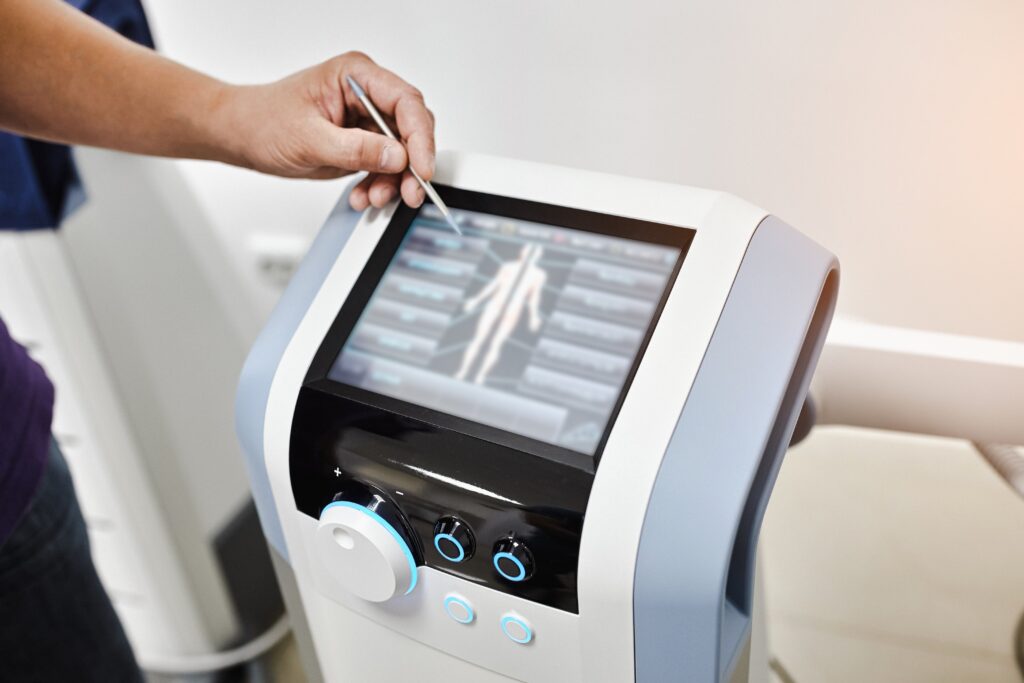
Chiropractic care has long been recognized for its ability to treat musculoskeletal conditions, particularly those involving the spine and nervous system. In recent years, advancements in chiropractic technology have transformed the way practitioners approach treatment, allowing for more precise, effective, and individualized care. These innovations not only enhance the overall patient experience but also contribute to improved outcomes by combining traditional techniques with cutting-edge technology. Here’s an exploration of some of the latest advancements in chiropractic technology and how they are shaping the future of chiropractic care.
1. Spinal Decompression Therapy: Non-Surgical Relief
Spinal decompression therapy has gained popularity as a non-invasive alternative to surgery for individuals suffering from chronic back pain, herniated discs, and sciatica. This technique uses mechanical traction to gently stretch the spine, creating negative pressure within the discs. As a result, the herniated or bulging discs are repositioned, which helps alleviate pressure on the surrounding nerves and promotes the healing of damaged tissues.
Recent advancements in spinal decompression technology have made these treatments more effective and accessible. Modern decompression tables are now equipped with digital monitoring systems that allow practitioners to adjust the force, angle, and duration of the treatment based on the patient’s specific needs. This personalized approach ensures that the decompression is both comfortable and therapeutic, promoting faster recovery and lasting relief.
2. Activator Technique: Precision Through Digital Analysis
The Activator Method is a well-known chiropractic technique that uses a hand-held instrument called the Activator Adjusting Instrument (AAI) to deliver targeted, low-force adjustments to the spine and other joints. This technique is particularly beneficial for patients who prefer a more gentle approach to chiropractic care, as it doesn’t involve the traditional high-velocity thrusts.
In recent years, the development of digital analysis tools has allowed practitioners to refine the precision of Activator adjustments. By using computerized diagnostics to assess the alignment of the spine, chiropractors can pinpoint areas of misalignment with greater accuracy. This results in more effective adjustments that are tailored to the patient’s unique spinal structure and condition.
3. Laser Therapy: Accelerating Tissue Healing
Laser therapy, also known as low-level laser therapy (LLLT) or cold laser therapy, is a non-invasive treatment that uses specific wavelengths of light to stimulate cellular activity and promote tissue healing. The technology works by increasing blood circulation and reducing inflammation, both of which are essential for the body’s natural healing processes.
In chiropractic care, laser therapy is often used to treat conditions such as muscle strains, ligament sprains, arthritis, and soft tissue injuries. Recent advancements in laser therapy technology have improved the precision and effectiveness of the treatment. Newer lasers are more powerful, allowing for faster healing times, and they are equipped with multi-wavelength options that can target different layers of tissue. By incorporating laser therapy into their practices, chiropractors can provide a holistic approach to pain management and rehabilitation.
4. Electric Muscle Stimulation (EMS): Enhancing Muscle Recovery
Electric Muscle Stimulation (EMS) is a therapeutic technique that involves the use of electrical impulses to stimulate muscle contractions. This treatment can help improve muscle strength, reduce muscle spasms, and promote circulation in areas of the body affected by injury or tension.
In recent years, EMS technology has become more sophisticated, with devices offering adjustable settings for intensity, frequency, and duration of the electrical impulses. This customization allows chiropractors to tailor the treatment to the patient’s specific needs, whether they are recovering from an injury, managing chronic pain, or seeking improved muscle performance. The integration of EMS into chiropractic care has proven to be highly effective for muscle rehabilitation and pain relief.
5. Computerized Posture Analysis: Real-Time Feedback for Better Alignment
Poor posture is a common cause of musculoskeletal discomfort and pain, and it can also contribute to long-term spinal issues. Chiropractors have long advocated for proper posture to maintain spinal health, but with the latest advances in computerized posture analysis, they are now able to assess posture with a higher level of accuracy and provide real-time feedback.
These advanced systems use sensors and cameras to analyze the patient’s posture in three-dimensional space. The technology tracks and measures the angles of the spine, shoulders, and hips, providing chiropractors with a comprehensive understanding of the patient’s alignment. With this data, practitioners can develop a personalized treatment plan that addresses specific postural imbalances. Furthermore, patients receive instant feedback, allowing them to become more aware of their posture and make necessary adjustments in their daily lives.
6. Cryotherapy: Targeted Cold Therapy for Pain Relief
Cryotherapy, the use of cold temperatures to treat pain and inflammation, has been a part of chiropractic care for some time. However, recent technological advancements have made cryotherapy treatments more efficient and accessible. Cryotherapy chambers and localized cold therapy units now provide targeted cooling, allowing chiropractors to treat specific areas of the body that are experiencing acute pain or inflammation.
This technology is especially beneficial for individuals suffering from conditions such as arthritis, sports injuries, and muscle spasms. By cooling the affected areas, cryotherapy helps to reduce swelling, numb pain, and promote faster recovery. Newer cryotherapy units are equipped with adjustable settings, allowing practitioners to customize the temperature and treatment duration for optimal results.
7. Virtual Reality (VR) and Biofeedback: Engaging the Mind in Healing
The integration of virtual reality (VR) and biofeedback technologies into chiropractic care is an exciting development that allows practitioners to address both the physical and mental components of pain. Biofeedback involves the use of sensors that monitor physiological responses such as heart rate, muscle tension, and skin temperature. By providing real-time feedback, patients can learn to control these responses, leading to greater relaxation and pain management.
Incorporating VR technology enhances this experience by immersing patients in calming environments that reduce stress and anxiety. Virtual reality can be used to guide patients through relaxation exercises, meditation, or guided imagery, promoting mental and emotional well-being in addition to physical recovery. This combination of technology creates a comprehensive approach to chiropractic care that fosters healing on multiple levels.
8. 3D Imaging: Accurate Diagnosis for Tailored Treatment Plans
Advancements in 3D imaging technology have revolutionized diagnostic capabilities in chiropractic care. Unlike traditional X-rays or MRIs, 3D imaging provides detailed, three-dimensional images of the spine and other musculoskeletal structures. This allows chiropractors to observe subtle misalignments and other issues that may not be visible through conventional imaging methods.
By utilizing 3D imaging, chiropractors can develop more precise and personalized treatment plans. The ability to view the spine in three dimensions ensures that the adjustments are made with a higher degree of accuracy, leading to better outcomes for patients.
Conclusion
The latest advancements in chiropractic technology are enhancing the effectiveness and precision of chiropractic care, allowing for more personalized treatments that address both the physical and emotional aspects of health. From spinal decompression therapy and laser treatment to virtual reality and 3D imaging, these innovations are shaping the future of chiropractic care. As technology continues to evolve, it is clear that chiropractic care will remain at the forefront of non-invasive, holistic health treatments, offering patients a comprehensive approach to healing and well-being.










Comments