
 By
By 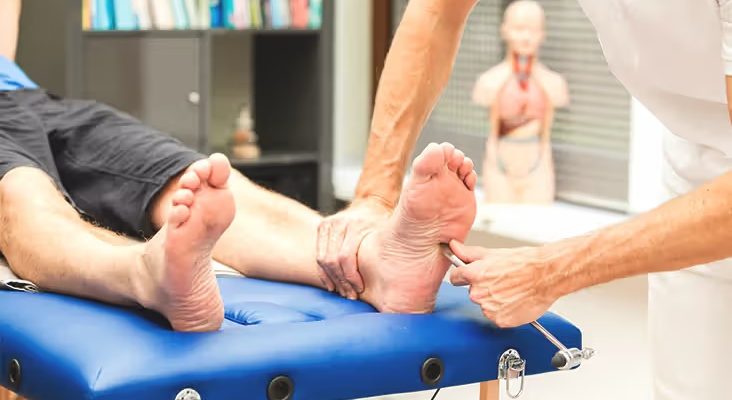
A small wound is usually not a major problem for most people. The skin closes, the soreness settles and the area slowly improves. With diabetes, that process can be less predictable. A blister, cut or sore spot may take longer to heal, especially on the feet or lower legs.
That is why diabetic ulcer wound care Thailand is not only about covering the wound. Diabetes can affect feeling in the feet, blood flow, infection risk and the way the skin repairs itself. If those issues are not checked, a wound can look small at first but become harder to manage later.
Less feeling in the feet
One of the biggest problems is reduced feeling. Diabetes can damage nerves, especially in the feet. When that happens, a person may not notice rubbing from a shoe, a small cut, a blister or pressure under the foot. The wound may only be spotted once it has already become larger, deeper or infected.
This is why daily foot checks matter for people at risk. It is not because every mark is dangerous, but because pain is not always a reliable warning sign. A sore area that would normally make someone stop walking may go unnoticed if sensation is reduced.
Poorer blood flow
Healing needs blood flow. Blood brings oxygen, nutrients and immune cells to the area. Diabetes can affect circulation, and poor blood flow can make it harder for the body to repair damaged skin. This is one reason wounds on the feet and lower legs can be slow to close.
Poor circulation can also make infection harder to fight. If a wound is not getting enough blood supply, the body has less support reaching the area. That does not mean every wound will become serious, but it does mean slow healing should not be ignored.
Higher risk of infection
Open skin gives bacteria a way in. With diabetes, infection can become more concerning because healing may already be slower and feeling may be reduced. A wound may not always be painful, even if it is getting worse.
Warning signs can include spreading redness, swelling, warmth, discharge, smell, increasing size, black tissue or fever. Any of these signs needs medical attention. A wound that does not improve, or keeps reopening, should also be checked rather than managed with repeated dressings at home.
Pressure keeps the wound open
A diabetic ulcer often forms in an area that keeps taking pressure, such as the sole of the foot, heel or toes. If that pressure continues, the wound may struggle to heal even with good cleaning and dressing. This is why offloading is often part of proper wound care. It means reducing pressure on the area so the skin has a better chance to repair.
Footwear, walking habits, calluses, foot shape and swelling can all affect pressure. Treating the wound without looking at those factors can miss the reason it keeps coming back.
Why proper wound care is different
Diabetic wound care usually needs more than a dressing change. The wound may need cleaning, dead tissue removal, infection control, pressure relief, circulation checks and regular measurement. Blood sugar control, nutrition and other health problems can also affect healing.
The aim is to understand why the wound is not healing properly, not just cover it again. The earlier those reasons are found, the better the chance of stopping a small wound from becoming a much bigger problem.










Comments