
 By
By 
Whitening treatments have become one of the most popular dental procedures for those looking to achieve a brighter, more radiant smile. Whether it’s the result of aging, staining from food and drink, or simply the natural yellowing of teeth, many people seek out whitening treatments to restore their teeth’s natural brightness. However, a common question that arises is: how long do these whitening results actually last? The answer depends on several factors, including the type of treatment used, your lifestyle habits, and how well you care for your teeth. In this article, we will explore the various types of whitening treatments available, how long they typically last, and ways to make the results last even longer.
Types of Whitening Treatments
Before we can discuss how long whitening treatments last, it’s important to understand the different types available. There are several methods to whiten your teeth, each with varying durations of effectiveness.
1. In-Office Professional Whitening
This type of whitening treatment is performed by a dentist in their office. It is the most effective and fastest way to whiten your teeth. In-office treatments often use stronger bleaching agents than those available in over-the-counter products, and they are typically combined with light or heat to enhance the whitening process.
The results from in-office whitening are immediate, and many patients can expect their teeth to appear several shades lighter after just one visit. The effects of in-office treatments generally last between six months to two years, depending on lifestyle choices, with the average being closer to one year.
2. At-Home Whitening (Dentist-Supervised)
At-home whitening kits provided by your dentist involve custom-made trays and professional-grade bleaching gel. These treatments are generally less intense than in-office treatments but still offer impressive results. They typically take a few weeks to achieve the desired outcome, with results that are more gradual than those achieved in the dental office.
The results from at-home treatments can last anywhere from six months to one year, although this can vary based on how often you wear the trays and how closely you follow your dentist’s instructions.
3. Over-the-Counter Whitening Products
Over-the-counter products, such as whitening strips, gels, and toothpaste, are widely available and can be an affordable alternative to professional treatments. These products generally contain lower concentrations of bleaching agents, meaning the results take longer to show and may not be as dramatic as in-office or dentist-supervised treatments.
Typically, the effects of over-the-counter whitening products last around three to four months. While they are less expensive, the results may not be as long-lasting as those from professional treatments.
Factors That Affect the Longevity of Whitening Treatments
The duration of your whitening treatment results depends on several factors. Some of these factors are within your control, while others are more difficult to change. Here are some of the most common factors that affect how long your whitening results will last:
1. Diet and Lifestyle Habits
Certain foods and beverages can stain your teeth and significantly shorten the lifespan of your whitening results. Coffee, tea, red wine, dark sodas, and berries are some of the most common culprits that can re-stain your teeth. If you consume these items regularly, the effects of your whitening treatment may fade more quickly.
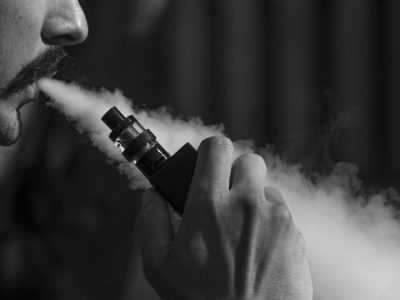
Additionally, smoking or using tobacco products can cause staining, which can counteract the whitening process. The nicotine and tar in cigarettes can easily adhere to the surface of your teeth, leading to discoloration.
To make your whitening treatment last longer, it is advisable to limit the consumption of stain-causing foods and beverages and avoid smoking.
2. Oral Hygiene Habits
Maintaining good oral hygiene is essential for keeping your smile bright after a whitening treatment. Brushing your teeth at least twice a day and flossing regularly will help remove plaque and prevent new stains from forming. Using a whitening toothpaste can also help maintain the results, as it can help prevent surface stains from adhering to your teeth.
Regular visits to your dentist for cleanings and check-ups are also essential for maintaining your whitened smile. Professional cleanings help to remove plaque and tartar buildup, which can contribute to discoloration over time.
3. Type of Whitening Treatment
As mentioned earlier, the type of whitening treatment used plays a significant role in how long the results last. In-office professional whitening provides the most dramatic and long-lasting results, while at-home and over-the-counter products may require more frequent touch-ups to maintain the desired shade.
The strength of the whitening agent used is also an important factor. Stronger bleaching agents typically provide longer-lasting results, but they may also cause more sensitivity. Your dentist can help guide you toward the best option for your needs, ensuring a balance between effectiveness and comfort.
4. Teeth Sensitivity and Enamel Health
If you have sensitive teeth or weakened enamel, the longevity of your whitening results may be affected. Sensitive teeth may not respond as well to certain whitening treatments, and in some cases, the results may wear off more quickly. Additionally, if the enamel on your teeth is worn or damaged, it may be more prone to staining, which can affect the appearance of your teeth over time.
To help maintain the health of your teeth and prolong the effects of your whitening treatment, it’s important to follow your dentist’s advice for caring for your enamel and managing tooth sensitivity.
How to Extend the Life of Your Whitening Results
While there are several factors that affect how long whitening treatments last, there are also steps you can take to extend the results and keep your smile looking bright for as long as possible. Here are a few tips:
- Touch-up Treatments: Some people find that touch-up treatments, either with an at-home kit or through their dentist, are a great way to maintain their results. These treatments can be done periodically to restore your smile’s brightness.
- Use a Straw: When drinking beverages like coffee or tea, using a straw can help minimize contact between the liquid and your teeth, reducing the risk of staining.
- Drink Water After Staining Beverages: If you do consume foods or drinks that can stain your teeth, rinse your mouth with water immediately afterward to help remove any residue and prevent staining.
- Avoid Tobacco: Smoking or using other tobacco products is one of the fastest ways to undo the results of whitening treatments. Quitting or avoiding tobacco products will not only help maintain the color of your teeth but also improve your overall oral health.
- Maintain Good Oral Hygiene: Brush and floss regularly to remove plaque and food particles. Using a whitening toothpaste can also help to maintain the brightness of your teeth.
Final Thoughts
The longevity of whitening treatments varies based on a number of factors, including the type of treatment, your oral hygiene habits, and lifestyle choices. While professional treatments tend to last longer than over-the-counter options, regular maintenance and proper care can help extend the results of any whitening procedure. By following a consistent oral care routine and avoiding stain-causing habits, you can keep your smile looking bright and fresh for months to come. Whether you opt for an in-office procedure or an at-home kit, understanding the factors that influence whitening results will help you enjoy the benefits of a whiter, more confident smile for as long as possible.








Comments