
 By
By 
Introduction
Exercise is more than just a physical activity; it’s a lifestyle choice that profoundly impacts overall health, longevity, and well-being. From improving cardiovascular health to boosting mental clarity, regular physical activity offers a spectrum of benefits for people of all ages. Incorporating exercise into daily routines can prevent chronic diseases, enhance strength, flexibility, and endurance, and improve emotional health. This comprehensive guide explores everything you need to know about exercise, providing insights into its types, benefits, effective routines, and expert tips for maintaining consistency.
Understanding Exercise
Exercise is defined as any bodily activity that enhances or maintains physical fitness, overall health, and wellness. While it encompasses structured activities like gym workouts, jogging, or yoga, it also includes everyday movements such as walking, climbing stairs, or gardening. The goal of exercise is not only to improve physical fitness but also to positively influence metabolic functions, mental health, and social well-being.
Types of Exercise
Understanding the different types of exercise is crucial for creating a balanced and effective fitness routine. Exercises can be categorized into five main types:
1. Aerobic Exercise
Aerobic exercises, also known as cardio, involve sustained, rhythmic movements that increase heart rate and lung capacity. Examples include running, swimming, cycling, and brisk walking. Aerobic exercise is particularly effective for improving cardiovascular health, burning calories, reducing blood pressure, and enhancing stamina. Experts recommend at least 150 minutes of moderate-intensity aerobic activity per week for adults.
2. Strength Training
Strength or resistance training focuses on building muscle mass, increasing strength, and enhancing bone density. Common forms include weight lifting, bodyweight exercises like push-ups and squats, and resistance band workouts. Strength training is essential for metabolic health, preventing age-related muscle loss, and supporting joint stability. It also promotes better posture and helps in weight management by increasing resting metabolism.
3. Flexibility Exercises
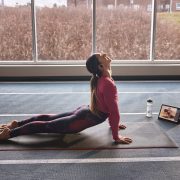
Flexibility exercises aim to improve the range of motion in joints and muscles, reducing the risk of injury. Stretching routines, yoga, Pilates, and dynamic warm-ups fall into this category. Regular flexibility training enhances mobility, relieves muscle tension, and promotes better coordination and balance. Integrating flexibility exercises into your routine can support performance in other physical activities and prevent stiffness as we age.
4. Balance and Coordination Exercises
Balance exercises improve stability, coordination, and overall body awareness. They are particularly important for older adults to prevent falls and maintain independence. Practices like tai chi, yoga, and single-leg exercises can enhance proprioception and core stability, making daily activities safer and more efficient.
5. High-Intensity Interval Training (HIIT)
HIIT involves alternating periods of intense activity with short recovery intervals. This form of exercise efficiently boosts cardiovascular fitness, burns fat, and improves metabolic health in less time compared to traditional steady-state workouts. HIIT routines can include sprinting, circuit training, or cycling intervals and are adaptable for various fitness levels.
Benefits of Regular Exercise
Exercise offers a wide array of physical, mental, and emotional benefits, supported by extensive scientific research.
Physical Benefits:
- Cardiovascular Health: Regular aerobic activity strengthens the heart, improves circulation, and reduces the risk of heart disease, stroke, and hypertension.
- Weight Management: Exercise helps maintain a healthy weight by balancing calorie intake and expenditure. Strength training further enhances metabolism.
- Muscle and Bone Health: Resistance exercises promote muscle growth, improve bone density, and reduce the risk of osteoporosis.
- Improved Immunity: Moderate exercise supports the immune system by enhancing the circulation of immune cells.
- Enhanced Energy Levels: Engaging in physical activity increases overall stamina, reducing fatigue and improving daily productivity.
Mental and Emotional Benefits:
- Stress Reduction: Exercise triggers the release of endorphins, natural chemicals in the brain that alleviate stress and boost mood.
- Cognitive Function: Regular physical activity supports brain health, improves memory, focus, and reduces the risk of cognitive decline.
- Mental Health Support: Exercise has been shown to reduce symptoms of depression, anxiety, and promote overall emotional well-being.
- Better Sleep: Engaging in regular activity enhances sleep quality and helps in managing sleep disorders.
Longevity and Disease Prevention:
Regular exercise contributes to increased life expectancy and reduces the risk of chronic illnesses such as diabetes, obesity, cardiovascular disease, and certain types of cancer. By improving circulation, metabolism, and immune function, exercise serves as a preventive measure against age-related health decline.
Creating an Effective Exercise Routine
Designing a well-balanced exercise routine ensures that all aspects of fitness—cardiovascular health, muscular strength, flexibility, and balance—are addressed. Here are key steps to creating an effective exercise plan:
1. Assess Your Fitness Level:
Before starting, evaluate your current health and fitness status. Consider factors like age, weight, medical history, and physical limitations. Consulting with a fitness professional or healthcare provider can help tailor the routine safely.
2. Set Realistic Goals:
Establish short-term and long-term objectives, such as weight management, building muscle, or improving endurance. Goals provide motivation and direction for your exercise regimen.
3. Choose a Variety of Activities:
Incorporate different types of exercise—cardio, strength training, flexibility, and balance exercises—to ensure comprehensive fitness benefits. Variety prevents boredom and keeps the body challenged.
4. Schedule Consistency:
Aim for a minimum of 150 minutes of moderate aerobic activity and two days of strength training weekly. Consistency is key for lasting benefits. Create a schedule that aligns with your lifestyle to make adherence easier.
5. Gradual Progression:
Start with manageable intensity and duration, gradually increasing as your fitness improves. Overloading the body too quickly can lead to injuries or burnout.
6. Include Rest and Recovery:
Allowing time for rest and recovery is essential. Muscles repair and grow during rest, and sufficient recovery prevents overtraining and fatigue. Incorporate rest days or lighter activity days into your schedule.
Tips for Staying Motivated
Maintaining a consistent exercise routine can be challenging, but the following strategies enhance motivation:
- Set measurable milestones and celebrate achievements.
- Workout with a partner to increase accountability.
- Track progress using apps or journals.
- Vary workouts to keep routines engaging.
- Reward yourself for sticking to your plan.
- Focus on enjoyment—choose activities you genuinely like to sustain long-term adherence.
Safety Considerations
While exercise is beneficial, safety is paramount to prevent injuries:
- Warm-up and Cool-down: Always start with a warm-up and end with a cool-down to prepare the body and prevent muscle strain.
- Proper Technique: Learn correct form to reduce the risk of injury, especially in strength training.
- Hydration and Nutrition: Stay hydrated and fuel your body with balanced nutrition to support performance.
- Listen to Your Body: Avoid pushing through pain; recognize signs of fatigue or discomfort and adjust accordingly.
- Medical Clearance: Individuals with chronic conditions or those new to exercise should seek professional guidance before starting.
Exercise for Different Age Groups
Children and Teens: Regular physical activity is crucial for growth, bone development, and establishing healthy habits. Activities like sports, cycling, and active play are recommended.
Adults: Exercise helps manage weight, reduce stress, and prevent chronic diseases. A mix of cardio, strength, and flexibility exercises is ideal.
Older Adults: Focus on balance, flexibility, and moderate strength training to maintain mobility, prevent falls, and support independence. Low-impact activities like walking, swimming, and yoga are highly beneficial.
Exercise and Nutrition
Nutrition and exercise go hand in hand. Proper fueling enhances performance and recovery. Key nutrition tips include:
- Carbohydrates: Primary energy source for aerobic activities. Include whole grains, fruits, and vegetables.
- Protein: Supports muscle repair and growth. Include lean meats, legumes, and dairy products.
- Healthy Fats: Essential for energy and hormone regulation. Incorporate nuts, seeds, and olive oil.
- Hydration: Adequate water intake is crucial for performance and recovery.
- Timing: Consuming a balanced meal or snack before and after exercise optimizes energy and recovery.
Incorporating Exercise Into Daily Life
Beyond structured workouts, incorporating physical activity into daily routines enhances overall fitness:
- Take the stairs instead of elevators.
- Walk or cycle for short trips.
- Engage in household chores or gardening.
- Stretch during breaks at work.
- Practice active commuting or walking meetings.
By integrating movement into daily habits, individuals can achieve consistent benefits without requiring extensive gym time.
Conclusion
Exercise is a cornerstone of a healthy lifestyle, offering profound benefits for physical, mental, and emotional well-being. By understanding the types of exercise, setting realistic goals, and creating a balanced routine, anyone can enhance their health, prevent disease, and improve quality of life. Whether young or old, beginner or advanced, regular physical activity is an investment in long-term wellness, energy, and longevity. By staying consistent, motivated, and safe, exercise becomes a lifelong habit that empowers the body and mind.
FAQs About Exercise
1. How often should I exercise each week for optimal health?
Adults should aim for at least 150 minutes of moderate aerobic activity and two strength-training sessions weekly. Additional flexibility and balance exercises enhance overall fitness.
2. Can exercise help with mental health issues like anxiety or depression?
Yes, regular exercise triggers the release of endorphins, reduces stress hormones, and improves mood, which can help alleviate symptoms of anxiety and depression.
3. Is it necessary to go to the gym to get the benefits of exercise?
No, physical activity can be achieved at home or outdoors through walking, cycling, bodyweight exercises, yoga, or other forms of movement. The key is consistency and intensity.
4. How can beginners start exercising safely?
Start with low-intensity activities, gradually increase duration and intensity, focus on proper technique, and consult a healthcare provider if you have existing health conditions.
5. What is the role of nutrition in exercise performance?
Proper nutrition provides energy, supports muscle repair, and enhances recovery. Balanced intake of carbohydrates, proteins, fats, and hydration is essential for optimal performance.
6. Can older adults benefit from high-intensity exercises?
Yes, older adults can engage in moderate to high-intensity activities if medically cleared, but low-impact exercises like walking, swimming, and resistance training are generally safer and effective.
7. How do I stay motivated to exercise regularly?
Set realistic goals, vary workouts, track progress, work out with a partner, and focus on activities you enjoy to maintain long-term motivation.
8. Is stretching important before and after exercise?
Absolutely. Stretching before exercise prepares muscles and joints, reducing injury risk, while stretching after workouts aids recovery and flexibility improvement.
This article provides a detailed, research-backed exploration of exercise, offering practical tips, routines, and guidance to optimize health and wellness for readers of all ages.








Comments