
 By
By 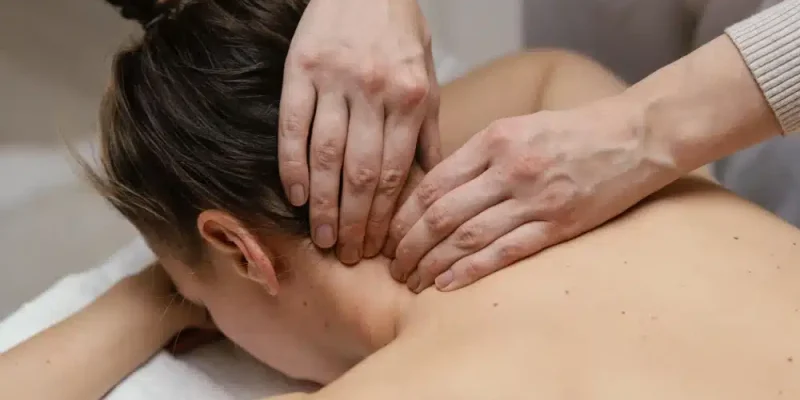
Stepping into a massage therapy clinic can feel daunting when you are greeted by a menu listing a dozen different modalities. With options ranging from gentle, flowing strokes to intense, deep-tissue pressure, selecting the right technique is essential to getting the results you want. Many people make the mistake of booking a random service without considering their current physical condition, stress levels, or therapeutic goals. Whether you are dealing with chronic lower back stiffness, recovering from an intense athletic workout, or simply looking to unwind after a grueling work week, understanding the differences between various massage modalities ensures you invest your time and money wisely.
Assessing Your Personal Goals and Physical State
Before you look at a spa menu, you need to clearly define what you want to achieve from your massage session. Massages are not one-size-fits-all treatments. Your body reacts differently to relaxation-focused therapy compared to clinical or rehabilitation-focused bodywork.
Ask yourself a few diagnostic questions before booking your appointment:
-
Are you experiencing localized pain: Do you have specific knots in your shoulders or a tight lower back that need targeted relief?
-
Is your primary goal stress reduction: Do you feel mentally drained, anxious, or overwhelmed and need a nervous system reset?
-
Are you recovering from exertion: Did you recently run a marathon, lift heavy weights, or start a new exercise routine?
-
Do you have medical considerations: Are you managing high blood pressure, inflammation, pregnancy, or circulatory issues that require a gentler touch?
Answering these questions will immediately narrow down your choices and help you communicate effectively with your licensed massage therapist.
Deep Tissue Massage for Chronic Tension and Injury Recovery
If you suffer from persistent aches, stubborn knots, or postural imbalances caused by long hours at a desk, a deep tissue massage is often the go-to recommendation. This technique focuses on realigning deeper layers of muscles and connective tissue, known as fascia.
During a deep tissue session, the therapist uses slower, more forceful strokes and direct pressure across the grain of the muscles. While it can involve some discomfort when working through severe adhesions, the pressure should never cross the line into sharp pain. Deep tissue therapy breaks down scar tissue, improves blood circulation, and releases chronic muscle tension. It is particularly effective for individuals recovering from physical injuries or dealing with long-standing repetitive strain injuries.
Swedish Massage for Stress Relief and Relaxation
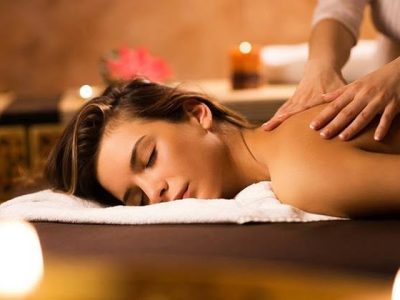
When people picture a classic spa day, they are usually thinking of a Swedish massage. This modality is the most common and widely available style of bodywork, designed primarily to promote total body relaxation and boost overall well-being.
Swedish massage utilizes a combination of five core strokes:
-
Effleurage: Long, flowing, gliding strokes that warm up the muscle tissue and spread massage oil evenly across the skin.
-
Petrissage: Kneading and rolling movements that lift and squeeze muscles to release superficial tension.
-
Friction: Deep, circular or crisscross movements applied against the muscle fibers to break up tension knots.
-
Tapotement: Rhythmic tapping, hacking, or cupping motions that stimulate the nervous system and invigorate the body.
-
Vibration: Fine trembling movements that shake or vibrate specific muscle groups to induce deep relaxation.
This technique increases oxygen flow in the blood and helps flush out metabolic waste products from the muscles while calming an overactive nervous system.
Sports Massage for Athletic Performance and Flexibility
Athletes and active individuals often require specialized care that goes beyond standard relaxation. Sports massage is specifically tailored to people involved in physical athletics, ranging from professional competitors to weekend warriors.
This modality can be administered pre-event to warm up muscles and increase flexibility, or post-event to flush out lactic acid, reduce inflammation, and accelerate recovery. Sports massage often integrates stretching techniques alongside targeted compression and friction work. By keeping the musculoskeletal system flexible and balanced, regular sports sessions help prevent injuries and keep performance levels high.
Specialized Modalities for Unique Wellness Needs
Beyond the foundational styles, several specialized massage techniques cater to specific physiological conditions and life stages.
-
Trigger Point Therapy: This technique focuses on identifying and releasing hyperirritable spots within muscle fibers, known as knots, that cause pain to radiate to other parts of the body.
-
Prenatal Massage: Specifically modified for expectant mothers, this gentle therapy relieves pregnancy-related backaches, pelvic pressure, and swollen ankles using supportive pillows and side-lying positioning.
-
Hot Stone Massage: Smooth, heated basalt stones are placed on key energy points of the body and used as extension tools by the therapist, allowing deep heat to melt away muscle tension without heavy manual pressure.
Frequently Asked Questions
Will a deep tissue massage leave me feeling sore the next day?
It is completely normal to experience mild muscle soreness for twenty-four to forty-eight hours following a deep tissue massage, similar to the feeling of a light workout. This occurs because the therapist has manipulated deep muscle fibers and broken down adhesions. Drinking plenty of water after your session helps flush out released toxins and minimizes post-massage soreness.
How often should I get a massage to maintain long-term benefits?
The ideal frequency depends entirely on your lifestyle and therapeutic goals. If you are using massage to manage chronic pain or high stress, a session every two to four weeks is generally recommended. For general wellness and maintenance, receiving a massage once a month is sufficient to keep stress levels managed and muscles supple.
Should I communicate with my therapist during the session if the pressure is wrong?
You should always speak up immediately if the pressure is too intense or too light. A massage is your time and your investment, and the therapist relies on your verbal feedback to adjust their technique. If a technique causes sharp pain rather than a therapeutic ache, let the therapist know so they can modify their approach.
Can I get a massage if I am recovering from a recent surgery or injury?
If you have a recent surgical incision, acute inflammation, open wounds, or a fresh tear, you must obtain explicit clearance from your physician before booking a massage. In many cases, therapists will avoid the affected area entirely during the acute healing phase to prevent further tissue damage or complications.
What is the difference between aromatherapy massage and Swedish massage?
Aromatherapy massage is essentially a Swedish massage enhanced with the addition of concentrated essential oils extracted from plants and herbs. The therapist selects specific plant oils, such as lavender for relaxation or peppermint for invigoration, which are absorbed through the skin and inhaled to provide psychological and physiological benefits.
What should I wear during a professional massage session?
Most massage therapists will instruct you to undress to your comfort level, typically leaving on your undergarments while lying under a sheet or blanket on the massage table. The therapist uncovers only the specific part of the body they are actively working on, ensuring your privacy and comfort throughout the entire session.



Comments