
 By
By 
Back pain is one of the most common physical complaints affecting adults across all age groups and professions. Whether you spend hours sitting at a desk or engage in heavy physical labor, poor posture and weak supporting muscles can leave your spine vulnerable to strain, stiffness, and chronic discomfort. Many people make the mistake of resting completely when back pain flares up, but inactivity often weakens the spine further. Strengthening your back requires targeted exercise that builds muscle resilience, supports proper alignment, and protects against future injury. Incorporating specific movements into your routine can transform your spinal health and restore fluid, pain-free mobility.
The Anatomy of a Healthy Back
To understand how exercise protects your spine, it helps to look at how your back works. The back is not a single isolated muscle group. It is an intricate system composed of vertebrae, discs, ligaments, and a complex network of muscles that work in unison to support your upper body, absorb shock, and allow for twisting and bending.
-
Erector Spinae: These are deep muscles running along your spine that help you stand upright, bend backward, and rotate your torso.
-
Latissimus Dorsi: Located in your mid to lower back, these broad muscles pull your arms down and back while stabilizing your shoulder girdle.
-
Rhomboids and Trapezius: Situated in your upper back and neck, these muscles control shoulder blade movement and prevent slouching.
-
Core Stabilizers: Your abdominal muscles, obliques, and deep transverse abdominis act as a natural weightlifting belt, supporting your spine from the front and sides.
When any of these surrounding muscles are weak or tight, the burden shifts entirely to your spinal joints and discs, leading to fatigue and pain. A well-rounded back workout must target these primary muscle groups while also improving core stability and hip mobility.
Essential Bodyweight Exercises for Spinal Support
You do not need an expensive gym membership or heavy weights to start building a stronger back. Several bodyweight movements effectively activate your posterior chain without placing undue stress on your vertebrae.
-
Bird-Dog: Start on your hands and knees with your wrists directly under your shoulders and knees under your hips. Slowly extend your right arm forward and your left leg backward simultaneously, keeping your back flat and your core engaged. Hold for two seconds, return to the starting position, and switch sides. This movement strengthens your lower back and improves core stability.
-
Prone Cobra: Lie face down on a mat with your arms resting at your sides and palms facing upward. Gently lift your chest, hands, and head a few inches off the floor while squeezing your shoulder blades together. Keep your gaze fixed on the mat to avoid straining your neck. Hold for five seconds before lowering back down.
-
Glute Bridges: Lie on your back with your knees bent and feet flat on the floor hip-width apart. Drive through your heels to lift your hips toward the ceiling while squeezing your glutes and lower back muscles. This exercise activates the gluteal muscles, which take the load off your lower back during everyday movements.
Strengthening with Resistance and Free Weights
Once you have mastered bodyweight movements, introducing light resistance can accelerate your strength gains and build structural resilience. Proper form is crucial when using weights to avoid injury.
-
Seated Cable Rows: Sit at a cable machine with your feet secured on the footrests and grab the handle with both arms. Keep your chest up and pull the handle toward your lower abdomen, squeezing your shoulder blades together at the peak of the movement. Return to the starting position with control. This exercise targets the mid-back and lats, helping you maintain an upright posture.
-
Dumbbell Deadlifts: Stand with your feet hip-width apart holding a pair of light dumbbells in front of your thighs. Keeping your back flat and a slight bend in your knees, hinge forward at your hips and lower the weights toward the floor. Drive your hips forward to return to standing. This movement strengthens the entire posterior chain, including the erector spinae and hamstrings.
-
Lat Pulldowns: Using a lat pulldown machine, grab the bar with a wide grip and pull it down smoothly toward your upper chest while leaning back slightly. Control the weight as it returns to the top. Strong lats provide a wider base of support for your upper spine.
Prioritizing Mobility and Flexibility
Strength alone is not enough to prevent back pain. Muscles that are tight or restricted can pull your spine out of alignment, causing chronic tension. Incorporating mobility work ensures your back remains flexible and capable of full range of motion.
-
Cat-Cow Stretch: Position yourself on your hands and knees. Inhale as you drop your belly toward the floor and lift your chin and chest toward the ceiling for the cow pose. Exhale as you draw your belly button toward your spine and round your back upward, tucking your chin for the cat pose. Flow smoothly between these two positions.
-
Child Pose: Kneel on the floor with your big toes touching and knees spread wide apart. Sit your hips back onto your heels and reach your arms forward on the mat, resting your forehead gently on the ground. This stretch decompresses the lower back and releases tension in the lats.
-
Thoracic Spine Rotations: Sit on your heels or in a chair, place your hands behind your head, and gently rotate your upper torso to the left as far as comfortable, pause, and rotate to the right. This keeps your mid-back mobile so your lower back does not overcompensate for stiffness.
Frequently Asked Questions
Can I exercise if I currently have a severe back spasm?
If you are experiencing acute back spasms or sharp, shooting pain, you should pause high-impact exercise and strenuous lifting immediately. Forcing your body through intense movements during an active spasm can worsen the injury. Instead, focus on gentle restorative stretches, short walks, and consulting a healthcare professional or physical therapist to get a proper diagnosis before resuming a structured workout routine.
How many times a week should I train my back to prevent pain?
Training your back two to three times per week is generally sufficient to build strength, improve posture, and prevent pain. Because the back muscles are involved in almost every upper body movement and posture stabilization task, they also need adequate rest to recover and grow stronger. On non-lifting days, gentle mobility work and walking can keep your spine loose without causing muscle fatigue.
Are crunches good or bad for back health?
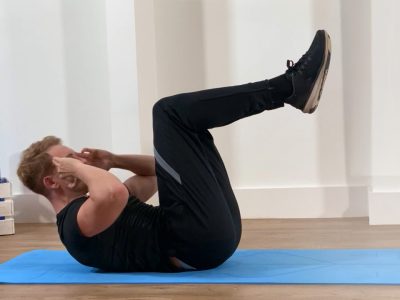
Traditional sit-ups and crunches can place excessive flexion stress on the lumbar spine and hip flexors, potentially exacerbating lower back pain. Instead of crunches, focus on isometric core exercises like planks, dead bugs, and bird-dogs. These movements build deep core strength that stabilizes the spine from all angles without forcing repetitive spinal bending.
Why does my lower back hurt after sitting at a desk all day?
Prolonged sitting causes your hip flexors to tighten and your gluteal muscles to switch off, a phenomenon known as gluteal amnesia. When your glutes become weak, your lower back muscles are forced to overwork to keep you upright throughout the day. Additionally, slumping forward puts sustained pressure on the spinal discs, leading to stiffness and dull aches by the end of the workday.
What is the difference between working the upper back and the lower back?
Working the upper back focuses on muscles like the rhomboids, rear deltoids, and traps, which control shoulder blade retraction and prevent slouching forward. Working the lower back focuses on the erector spinae and integrates the glutes and hamstrings to support the lumbar spine during bending and lifting. Both areas are equally important for creating a balanced, pain-free posture.
Is walking an effective exercise for maintaining back health?
Walking is one of the most accessible and effective low-impact exercises for your back. It encourages gentle spinal rotation, increases blood flow to the discs and supporting muscles, and helps maintain a healthy weight without placing high impact forces on your joints. Aim for a brisk daily walk to complement your targeted strength and mobility routines.






Comments