
 By
By 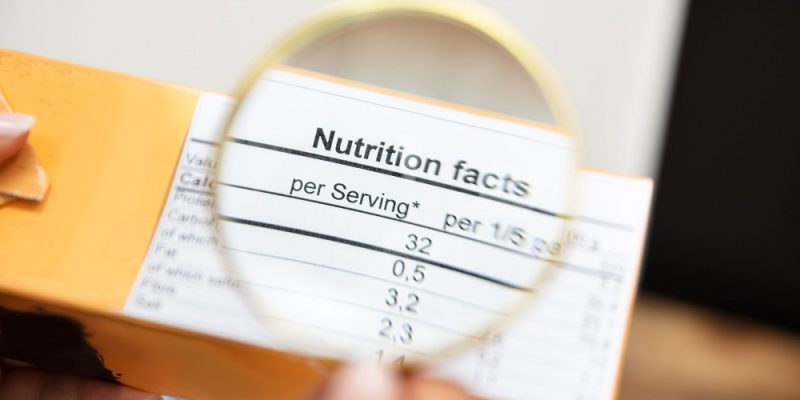
Walking down the grocery store aisles can sometimes feel like walking through a maze of marketing claims. Packages are plastered with bold words like natural, organic, low fat, and heart healthy, making it difficult to figure out what you are actually buying. The single best tool you have to cut through this marketing noise is the Nutrition Facts label. Learning how to read and interpret these labels empowers you to make informed decisions about the food you put into your body. Whether you want to manage your weight, support athletic performance, or improve a chronic health condition, mastering the nutrition label is an essential life skill.
Start with the Serving Size and Servings Per Container
The most common mistake people make when reading a nutrition label is looking at the calorie count and assuming it applies to the entire package. Every single piece of information on that label, from calories to sodium and protein, is tied directly to the serving size listed at the very top.
-
Serving Size: This is not a recommended portion recommendation. Instead, it is a standardized amount of food that people typically consume at one time, measured in household units like cups or pieces alongside metric measurements like grams.
-
Servings Per Container: This tells you how many total servings are packed into that specific container or package.
If a bag of chips lists two hundred calories per serving and shows that there are three servings in the bag, eating the entire bag means you are consuming six hundred calories, not two hundred. Always check the serving size first to calculate your true intake accurately.
Decode the Calorie Count
Calories are a measure of the energy a food provides to your body. Understanding calories is important for weight management, but the source of those calories matters just as much as the number itself. Two hundred calories of soda will affect your body differently than two hundred calories of mixed nuts because of the accompanying nutrients, fiber, and macronutrients.
When looking at the calorie section, consider your daily energy needs and how the specific food item fits into your daily total. If an item contains a high number of calories per small serving, it is considered energy dense. While energy-dense foods can be nutritious, such as nuts and seeds, they require careful portion control to avoid consuming more calories than your body burns.
Understand the Percent Daily Value
The percent daily value, often abbreviated as DV, shows how much a specific nutrient in a single serving contributes to a total daily diet of two thousand calories. The daily values serve as a general reference point, though your personal calorie needs might be higher or lower depending on your age, gender, and activity level.
As a general rule of thumb when scanning the percent daily value:
-
Five percent DV or less per serving is considered low for a specific nutrient.
-
Twenty percent DV or more per serving is considered high for a specific nutrient.
You should generally aim to get a low percentage of nutrients you want to limit, such as saturated fat, sodium, and added sugars. Conversely, you want to aim for a high percentage of beneficial nutrients, such as dietary fiber, vitamin D, calcium, iron, and potassium.
Navigate Fats, Sodium, and Added Sugars
Certain components of the diet deserve closer scrutiny because consuming them in excess can lead to long-term health issues. When reading ingredient lists and nutrition facts, pay special attention to these three categories.
Fats
Pay attention to the breakdown of fats rather than just looking at total fat. Limit your intake of saturated fat and avoid trans fat entirely, as both can raise bad cholesterol levels and increase heart disease risk. Monounsaturated and polyunsaturated fats, found in products like olive oil and fish, are beneficial for heart and brain health.
Sodium
Sodium is a mineral that preserves food and enhances flavor, but too much of it can elevate blood pressure. Many packaged foods and canned soups harbor hidden sodium. Look for labels that state low sodium or reduced sodium, and try to keep your daily intake within recommended medical guidelines.
Added Sugars
Natural sugars found in whole fruit and plain dairy are accompanied by beneficial fiber and nutrients. Added sugars, however, are sugars and syrups put into foods during processing. Consuming high amounts of added sugar contributes to weight gain, inflammation, and metabolic issues. Check the label specifically for added sugars and choose products where this number is as close to zero as possible.
Inspect the Ingredient List
The nutrition facts panel tells you the quantitative breakdown of nutrients, but the ingredient list tells you the qualitative story of what is actually inside the package. By law, ingredients must be listed in descending order by weight. This means the ingredient that weighs the most is listed first, and the ingredient that weighs the least is listed last.
When reviewing the ingredient list, look for the following key indicators:
-
Short Lists: Products with shorter ingredient lists are typically less processed and closer to their whole-food state.
-
Whole Food Priority: The first few ingredients should ideally be recognizable whole foods, such as whole wheat, oats, beans, or specific vegetables.
-
Hidden Sugars: Manufacturers often use multiple types of sugar under different names, such as high-fructose corn syrup, cane juice, maltose, and dextrose, to spread them out on the ingredient list so sugar does not appear as the primary item.
Frequently Asked Questions
What does the term zero trans fat actually mean on a label?
Under food labeling regulations, if a food contains less than half a gram of trans fat per serving, the manufacturer is permitted to round the amount down and state zero grams of trans fat on the label. To ensure you are truly avoiding trans fats, scan the ingredient list for partially hydrogenated oils. If those oils are present, the product contains trans fat, regardless of what the front or back nutrition panel claims.
Is natural sugar healthier than added sugar in packaged foods?
Your body metabolizes chemical monosaccharides the same way whether they come from natural sources or refined cane sugar. However, foods containing natural sugars, like fruit or plain yogurt, come bundled with fiber, vitamins, and protein that slow down digestion and prevent sharp blood sugar spikes. Added sugars lack these beneficial nutrients, causing rapid rises in blood glucose and contributing empty calories to your diet.
Why do some nutrition labels list both as packaged and as prepared?
Some food products, such as boxed pasta dinners, cake mixes, or instant soups, provide two different columns on their nutrition labels. One column shows the nutritional value of the product straight out of the box, while the other column shows the values after you add other ingredients like milk, butter, or eggs as directed in the recipe. Always read the prepared column if you are following the cooking instructions so you do not underestimate your calorie and fat intake.
How can I spot hidden sodium in foods that do not taste salty?
Sodium is frequently used as a preservative and flavor enhancer in foods that do not taste savory or salty at all, including breakfast cereals, breads, pastries, and bottled salad dressings. Reading the sodium milligrams and the percent daily value on the nutrition panel is the only foolproof way to identify hidden sodium. Do not rely strictly on your taste buds to determine whether a food is high in salt.
What is the difference between dietary fiber and total carbohydrates?
Total carbohydrates include all types of carbs found in the food, which are dietary fiber, total sugars, added sugars, and starches. Dietary fiber is the indigestible plant matter that supports digestive health and helps regulate blood sugar levels. When calculating how a carbohydrate will impact your body, look specifically at the fiber content and subtract it from total carbs if you are monitoring net carbohydrates for specific health goals.
Are light or fat-free products automatically healthier choices?
Products marketed as light or fat-free often compensate for the removal of fat by adding extra sugar, thickeners, sodium, or chemical additives to maintain flavor and texture. A fat-free cookie or salad dressing can still be packed with calories and refined sugars. Always compare the nutrition facts panel of a light product side by side with the standard version to see if you are actually making a healthier choice.









Comments