
 By
By 
Before-and-after images can be useful, but they can also create unrealistic expectations if people focus only on the most dramatic examples. Anyone researching skin booster before and after results can benefit from looking at changes carefully, understanding what the treatment is designed to improve, and remembering that skin quality varies from person to person.
Subtle Improvement Is Often The Point
Skin boosters are not usually about changing facial shape or creating an obvious cosmetic transformation. They are more often used to support hydration, texture, glow and overall skin appearance. This means results can look softer than people expect, especially when compared with treatments that alter volume, muscle movement or facial contours.
A good result may show skin that appears fresher, smoother or less tired. Fine dryness lines may look less noticeable. The face may catch light more evenly. These changes can be valuable, but they are not always dramatic in photographs.
This is why it helps to judge results in real life as well as through images. Skin may feel more comfortable, makeup may sit better, and the complexion may look healthier under normal lighting. Those details do not always translate perfectly in a single before-and-after comparison.
Lighting Can Change The Story
One of the biggest problems with before-and-after images is inconsistency. Lighting, camera angle, facial expression, makeup, filters and even the time of day can all affect how skin looks.
A useful comparison should be as fair as possible. The face should be photographed from a similar angle, with similar lighting and without heavy editing. If one image is taken under harsh light and the other under flattering soft light, the difference may say more about the photography than the treatment.
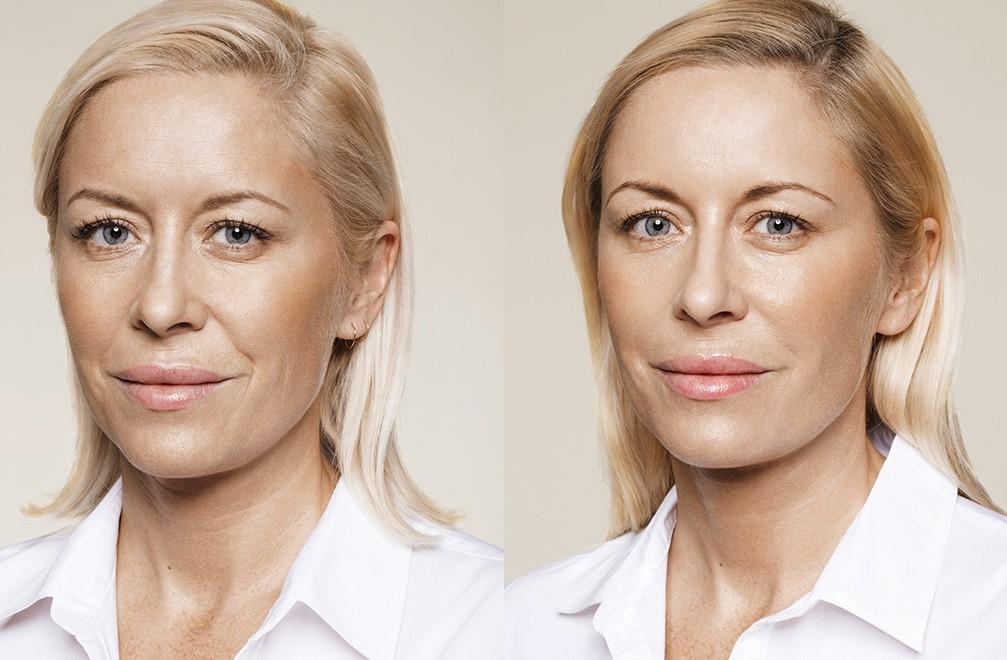
Patients should be cautious when viewing highly polished images online. Very smooth skin, exaggerated brightness or unclear timelines can make results appear more predictable than they really are. Honest clinical photography is usually more helpful than promotional imagery because it shows improvement without making the skin look artificially perfect.
Results Depend On The Starting Point
Skin condition before treatment plays a major role in the final outcome. Someone with dehydration, dullness or rough texture may notice a different type of improvement from someone whose skin is already well hydrated. Age, lifestyle, sun exposure, skincare habits, sleep, smoking, diet and overall health can also influence how the skin responds.
This does not mean one person is a better candidate than another, but it does mean expectations should be personalised. A treatment plan that works well for one patient may not produce the same visible result for someone else.
A proper consultation should look at the skin closely and discuss what the person wants to achieve. If the main concern is pigmentation, acne scarring, deep lines or skin laxity, a skin booster alone may not be the most suitable option. It may need to be part of a broader plan, or a different treatment may be more appropriate.
Timing Matters When Judging Changes
People often want to see results quickly, but skin treatments may need time to settle. The appearance immediately after treatment can include temporary redness, swelling or small marks, depending on the method used. This early stage should not be confused with the final result.
It is also important to understand whether a single treatment is enough or whether a course is recommended. Some skin-quality treatments build gradually, with improvements becoming more noticeable after the skin has had time to respond.
Taking progress photographs at sensible intervals can help. Rather than checking the mirror every day, patients may find it more useful to compare images taken before treatment and then later under similar conditions. This gives a clearer picture of genuine change.
Better Decisions Come From Better Expectations
Before-and-after results should guide questions, not create pressure. A person considering treatment should ask what level of improvement is realistic, how long results may last, what aftercare is needed and whether the treatment suits their skin concern.
The best outcomes usually come when expectations are clear from the start. Skin boosters can be a positive option for people who want fresher-looking, better-hydrated skin, but they should be understood as a skin-quality treatment rather than a dramatic makeover.
A realistic view of results helps people make calmer decisions. Instead of chasing the most dramatic image online, they can focus on whether the treatment is suitable, safe and likely to support the kind of improvement they actually want.









Comments