
 By
By 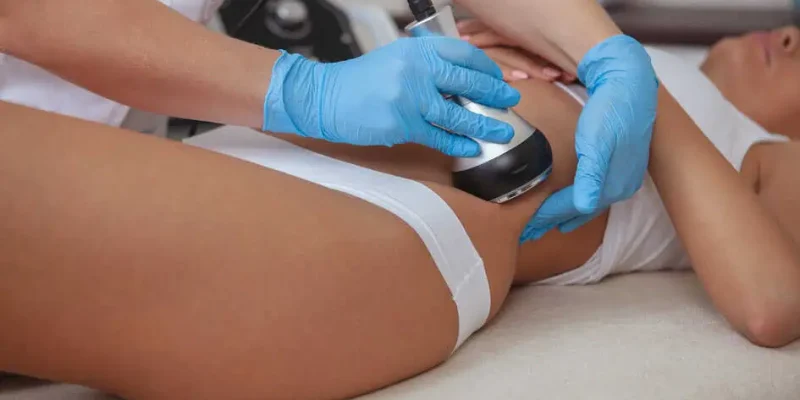
Interest in body contouring treatment has grown as more people look for ways to refine shape without surgery. Modern non-invasive technologies focus on targeted fat reduction and tissue tightening while minimizing downtime. These treatments are designed to complement healthy lifestyle habits rather than replace them, and understanding what they can realistically achieve helps set clear expectations.
Non-surgical contouring typically works by using controlled cooling, radiofrequency, ultrasound, or other energy-based systems to affect fat cells beneath the skin. The goal is selective disruption of fat cells while preserving surrounding tissue. Over time, the body naturally processes and eliminates the affected cells, leading to gradual visible changes.
How the Technology Targets Fat
Different systems rely on different mechanisms. Controlled cooling devices reduce fat cell temperature to a point where they crystallize and break down. Radiofrequency systems use heat to disrupt fat cells while also stimulating collagen. Some platforms combine multiple technologies to address both fat reduction and skin firmness.
Treatments are typically applied to specific areas such as the abdomen, flanks, thighs, or under the chin. Applicators are positioned over the targeted zone, and sessions may last between 30 and 60 minutes depending on the area. Patients remain awake throughout the process and can usually return to normal activities immediately afterward.
What the Session Feels Like
Sensations vary by technology. Cooling treatments may create an intense cold feeling at the start, which usually subsides as the area becomes numb. Heat-based devices may feel warm but are designed with temperature control to maintain comfort. Mild pulling or pressure from the applicator is common.
After treatment, temporary redness, swelling, or tenderness can occur. These effects typically resolve within days. Because the procedure does not involve incisions or anesthesia, recovery time is minimal compared to surgical alternatives.
Timeline for Results
Non-surgical contouring does not produce immediate dramatic changes. The body requires time to process disrupted fat cells. Visible improvements often begin to appear within several weeks, with more noticeable changes developing over two to three months.
Some individuals choose multiple sessions depending on their goals and the specific area being treated. A consultation helps determine whether additional sessions are appropriate. Maintaining stable weight supports longer lasting results, as remaining fat cells can still expand if lifestyle habits change.
Who Is a Suitable Candidate
These treatments are generally intended for individuals close to their ideal weight who want to address localized fat deposits. They are not designed as weight loss solutions. Skin elasticity also influences outcome, particularly when tightening is part of the objective.
A thorough assessment ensures that expectations align with achievable results. Medical history, skin condition, and body composition are evaluated before recommending a treatment plan.
Modern non-surgical body contouring offers a gradual approach to refining shape without surgery. By understanding how the technology works, what the session involves, and how results develop over time, patients can make informed decisions about whether this option fits their personal goals.








Comments