
 By
By 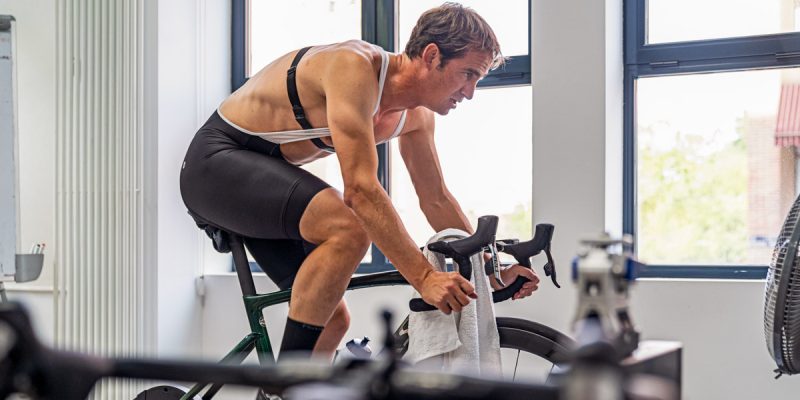
The modern fitness landscape has shifted dramatically, with more people seeking efficient, measurable, and science-backed workouts. Among the most effective training formats today, indoor cycling Singapore has emerged as a performance-driven solution for those aiming to reshape their bodies. Unlike steady-state cardio or conventional gym routines, indoor cycling doesn’t merely burn calories—it actively transforms how your body utilises fat and builds lean muscle through metabolic precision.
Understanding Body Recomposition through Cycling
Body recomposition refers to the process of losing fat while simultaneously gaining lean muscle mass. This is different from traditional weight loss, which focuses only on reducing total body weight. Indoor cycling supports this goal by stimulating fast-twitch and slow-twitch muscle fibres through interval-based resistance work. Each session challenges your heart rate, oxygen consumption, and muscular endurance in ways that push your metabolism to adapt.
When you maintain a consistent training rhythm, your basal metabolic rate (BMR) rises, meaning you continue to burn calories even after leaving the studio. Spin sessions are particularly effective at activating gluteal, quadriceps, and core stabilising muscles, creating a lean, athletic physique over time.
Why Indoor Cycling Outperforms Traditional Cardio
Traditional cardio such as jogging or elliptical training focuses mainly on endurance. Indoor cycling, on the other hand, is built around variable intensity and mechanical resistance that demand both aerobic and anaerobic effort. This dual mechanism helps the body burn stored fat while preserving or even increasing muscle mass.
Key performance elements include:
-
Resistance training simulation: High gear intervals mimic hill climbs that enhance muscular tone.
-
Active recovery stages: Lower resistance phases promote oxygen replenishment and metabolic balance.
-
Cadence variations: These improve neuromuscular coordination and activate underused fibres for better performance output.
Unlike long, monotonous cardio, indoor cycling’s structured design keeps metabolic rate elevated throughout and even after the session, thanks to excess post-exercise oxygen consumption (EPOC).
The Science Behind Metabolic Acceleration
A typical high-intensity spin workout can elevate oxygen consumption to 80–90% of your VO₂ max. This leads to a powerful afterburn effect where the body continues to expend energy at a higher rate for hours post-session. Over time, this adaptive mechanism enhances mitochondrial density within the muscles, boosting energy efficiency and fat oxidation.
Additionally, consistent cycling influences insulin sensitivity. Muscles become more efficient at storing glycogen, which improves energy management and reduces the tendency to store fat. This scientific approach to metabolic training is what makes indoor cycling a preferred choice for those seeking lasting body transformation.
Combining Resistance and Cardio in One Discipline
Indoor cycling is not purely cardiovascular; it also replicates the benefits of resistance workouts. When resistance levels are adjusted correctly, each push and pull on the pedals acts as controlled resistance work targeting the lower body and core. Regular riders notice improved tone in the hamstrings, calves, and glutes without the bulk associated with weightlifting.
For best results, riders often follow periodised training cycles involving:
-
Power intervals: Short bursts of maximum effort for 30–60 seconds
-
Endurance rides: Moderate resistance sustained over longer periods
-
Recovery rides: Gentle, rhythm-based pedalling that supports muscle repair
This balanced structure allows the body to alternate between fat-burning and strength-building phases, maximising recomposition efficiency.
Nutrition and Recovery for Recomposition Success
To fully benefit from indoor cycling, nutrition plays a crucial role. High-protein meals aid in muscle recovery, while complex carbohydrates restore glycogen levels. Pairing hydration with proper electrolyte balance ensures sustainable performance across multiple sessions. Riders should also prioritise quality sleep and post-class stretching to enhance muscle recovery and reduce fatigue.
An often-overlooked element of success is consistency. Cycling two to three times weekly, combined with balanced nutrition and mindful rest, helps stabilise hormonal responses and maintain steady metabolic progression.
The Role of Coaches and Performance Monitoring
Singapore’s premium cycling studios, including TFX, are integrating performance tracking technology into their sessions. Riders can monitor wattage, cadence, heart rate zones, and total output in real time. This data helps instructors personalise programs for each participant’s goal—whether it’s body recomposition, endurance, or cardiovascular conditioning.
Coaches also design sessions that alternate between endurance and sprint intervals, maximising calorie expenditure while preserving muscle tissue. Over time, this strategic balance ensures consistent results without plateauing.
Why Indoor Cycling Appeals to the Singapore Fitness Community
Singapore’s fast-paced lifestyle makes efficiency a top priority. Indoor cycling fits perfectly within this context, offering maximum output within a short timeframe. The climate-controlled environment also provides a comfortable yet challenging space for all-year fitness. Moreover, the community-driven energy of spin studios creates accountability, motivation, and a sense of belonging—key psychological factors in maintaining long-term fitness commitment.
Participants not only witness aesthetic changes but also report improvements in energy levels, posture, and mental focus. The structured, rhythm-driven rides empower individuals to push past perceived limits and experience measurable growth.
Sustainable Results with Scientific Precision
The most successful transformations from indoor cycling stem from disciplined programming, intelligent nutrition, and measured intensity. Unlike short-lived fitness fads, spin-based recomposition thrives on sustainable, repeatable progress. The structured nature of spin workouts encourages long-term engagement, where each ride compounds benefits rather than resetting them.
Cyclists learn to listen to their body’s feedback—adjusting cadence, resistance, and recovery to align with metabolic efficiency. The outcome is not only visible in muscle tone but also reflected in overall vitality and mental clarity.
FAQ
Q1. How often should I attend indoor cycling sessions to see visible body recomposition?
Most experts recommend three sessions per week, combined with proper nutrition and rest days. This frequency allows your muscles to recover while keeping metabolic rate elevated.
Q2. Can indoor cycling replace strength training for body recomposition?
While indoor cycling builds muscle endurance and tone, it works best when supplemented with light strength or resistance training to maintain upper body balance.
Q3. Is indoor cycling suitable for people with weight-loss plateaus?
Yes. The intensity variability in spin workouts helps reignite metabolic activity, making it effective for breaking through stagnant weight-loss phases.
Q4. How can I make my spin sessions more efficient?
Focus on form, maintain consistent cadence, and challenge yourself with progressive resistance. Tracking output through digital consoles can help measure progress objectively.
Q5. What should I eat after an indoor cycling class?
A combination of lean protein and complex carbohydrates, such as grilled chicken with brown rice or a protein smoothie with oats, supports muscle repair and replenishes glycogen levels.
This in-depth guide highlights how indoor cycling Singapore transcends traditional cardio by merging performance science with metabolic efficiency. It demonstrates how riders can achieve measurable transformation through structured sessions, intelligent recovery, and data-backed progression—proving that recomposition is not about doing more, but about training smarter.








Comments