
 By
By 
Introduction
Fitness is more than just a buzzword; it is a lifestyle choice that enhances your overall health, mental clarity, and longevity. Achieving and maintaining a fit body goes beyond occasional workouts—it involves a combination of physical activity, proper nutrition, mental discipline, and sustainable habits. In today’s fast-paced world, where sedentary lifestyles are prevalent, understanding the full scope of fitness and incorporating it into daily routines is essential for both physical and mental well-being. This comprehensive guide explores the different aspects of fitness, strategies to stay motivated, and the benefits of leading an active lifestyle.
Understanding Fitness
What is Fitness?
Fitness is a state of being in optimal health and well-being, encompassing not only physical strength but also cardiovascular endurance, flexibility, and mental resilience. It is a holistic concept that integrates body, mind, and lifestyle. Fitness can be broken down into several key components:
- Cardiovascular endurance: The ability of the heart, lungs, and blood vessels to supply oxygen efficiently during prolonged physical activity.
- Muscular strength: The capacity of muscles to exert force during an activity.
- Muscular endurance: The ability of muscles to sustain repeated contractions over time.
- Flexibility: The range of motion in joints and muscles, crucial for preventing injuries.
- Body composition: The proportion of fat, muscle, and bone in the body, often influencing overall health.
Each of these components plays a significant role in achieving overall fitness and should be incorporated into a well-rounded routine.
The Benefits of Fitness
Engaging in regular fitness activities provides a myriad of benefits, both physical and mental. Some of the most notable advantages include:
- Improved heart health: Regular exercise strengthens the heart muscle, improves circulation, and lowers blood pressure.
- Weight management: Combining cardiovascular exercises with strength training can help maintain a healthy body weight and reduce the risk of obesity.
- Enhanced muscular strength and endurance: Consistent resistance training promotes lean muscle mass, improves posture, and increases energy levels.
- Mental well-being: Physical activity triggers the release of endorphins, reducing stress, anxiety, and depression.
- Better sleep quality: Regular fitness routines contribute to deeper, more restful sleep.
- Disease prevention: Fitness lowers the risk of chronic illnesses, including type 2 diabetes, heart disease, and osteoporosis.
Incorporating fitness into your life not only enhances physical performance but also fosters confidence, resilience, and a positive outlook.
Fitness Workouts: Types and Strategies
1. Cardiovascular Exercises
Cardiovascular or aerobic exercises are designed to elevate heart rate and improve endurance. Popular forms include running, cycling, swimming, rowing, and brisk walking. For effective cardiovascular benefits:
- Aim for at least 150 minutes of moderate-intensity aerobic activity weekly.
- Mix high-intensity interval training (HIIT) sessions to boost metabolism.
- Track heart rate zones to ensure optimal effort during workouts.
2. Strength Training
Strength training focuses on building muscle mass and enhancing muscular strength. This can be achieved through free weights, resistance bands, bodyweight exercises, or weight machines. Key tips include:
- Engage in strength sessions 2–3 times per week, allowing muscles to recover.
- Focus on compound exercises like squats, deadlifts, bench presses, and pull-ups for maximum efficiency.
- Gradually increase weight and resistance to avoid plateaus and stimulate muscle growth.
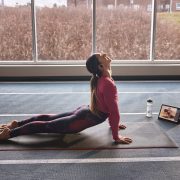
3. Flexibility and Mobility Exercises
Flexibility and mobility are crucial for joint health, injury prevention, and overall body function. Yoga, Pilates, and dedicated stretching routines enhance flexibility. Effective strategies include:
- Incorporate stretching after every workout to aid recovery.
- Hold stretches for 20–30 seconds without bouncing.
- Focus on major muscle groups, including hamstrings, hip flexors, chest, and shoulders.
4. Functional Training
Functional training mimics everyday movements to improve overall body coordination and strength. It involves exercises that engage multiple muscle groups simultaneously. Benefits include:
- Enhanced balance, stability, and posture.
- Reduced risk of injury during daily activities.
- Improved athletic performance for sports and recreational activities.
5. Mind-Body Fitness
Activities like yoga, tai chi, and meditation-based movement routines not only improve flexibility and strength but also foster mental focus and relaxation. These exercises:
- Reduce stress and improve mood.
- Enhance body awareness and posture.
- Support holistic health, combining mental and physical fitness.
Nutrition and Fitness
Proper nutrition is the foundation of a successful fitness journey. Your body requires the right balance of macronutrients and micronutrients to fuel workouts, repair muscles, and maintain energy levels.
Macronutrients:
- Proteins: Essential for muscle repair and growth. Sources include lean meats, fish, eggs, legumes, and dairy.
- Carbohydrates: Primary energy source, crucial for endurance activities. Opt for whole grains, fruits, and vegetables.
- Fats: Support hormone production and joint health. Choose healthy fats from nuts, seeds, avocado, and olive oil.
Hydration:
- Staying hydrated is vital for performance and recovery. Drink water before, during, and after exercise.
- Electrolyte-rich drinks may be beneficial for intense or prolonged workouts.
Meal Timing:
- Pre-workout meals should be light and rich in carbohydrates for energy.
- Post-workout nutrition should include protein and carbohydrates to aid recovery.
Consistency and Goal Setting
Consistency is the cornerstone of fitness success. Establishing clear, realistic goals can maintain motivation and track progress effectively. Strategies include:
- SMART goals: Specific, Measurable, Achievable, Relevant, and Time-bound objectives provide structure.
- Workout schedule: Maintain a balanced routine combining cardio, strength, and flexibility sessions.
- Progress tracking: Record performance, body measurements, or endurance levels to observe improvements over time.
- Accountability: Partnering with a friend, joining fitness groups, or hiring a coach can help sustain commitment.
Common Fitness Myths Debunked
Fitness is surrounded by myths that can hinder progress if believed. Some common misconceptions include:
- Myth: “Cardio is the only way to lose weight.”
Fact: While cardio burns calories, combining strength training enhances fat loss and preserves muscle mass. - Myth: “Lifting weights makes women bulky.”
Fact: Strength training promotes lean muscle development; hormonal differences prevent excessive bulk in most women. - Myth: “You must exercise every day to see results.”
Fact: Rest and recovery are essential for muscle repair and overall performance. Overtraining can lead to injuries.
Fitness for Different Age Groups
Fitness needs evolve throughout life, and routines should be adapted to age and physical capacity.
- Young adults (20–35 years): Focus on building strength, endurance, and flexibility. High-intensity training and sports participation are beneficial.
- Middle-aged adults (36–55 years): Prioritize joint health, moderate strength training, and cardiovascular exercises. Attention to nutrition becomes critical.
- Seniors (55+ years): Emphasize low-impact exercises, balance, and mobility routines to prevent falls and maintain independence.
Integrating Fitness into Daily Life
Fitness doesn’t require long hours in the gym. Incorporating movement into daily routines can have substantial benefits:
- Take stairs instead of elevators.
- Walk or cycle to nearby destinations.
- Perform short home workouts during breaks.
- Engage in recreational sports or outdoor activities.
By making fitness a natural part of life, it becomes sustainable, enjoyable, and effective.
Mental Fitness and Motivation
Physical fitness is intertwined with mental health. Staying motivated is often a challenge, but strategies such as goal visualization, positive reinforcement, and rewarding small achievements can help. Mindfulness practices, meditation, and stress management techniques complement physical training and enhance overall well-being.
FAQs About Fitness
1. How often should I exercise to stay fit?
Aim for at least 150 minutes of moderate aerobic activity per week, complemented by 2–3 strength training sessions. Incorporating flexibility and mobility exercises improves overall fitness.
2. Can I achieve fitness without going to a gym?
Absolutely. Bodyweight exercises, outdoor activities, yoga, and home workouts can provide comprehensive fitness benefits. Equipment is helpful but not necessary.
3. How long does it take to see results from fitness routines?
Visible results may take 4–8 weeks, depending on consistency, intensity, diet, and individual factors. Focus on gradual progress rather than quick fixes.
4. Is it necessary to follow a strict diet to get fit?
A balanced diet with appropriate macronutrients and adequate hydration supports fitness goals. Extreme restrictions are not necessary; consistency matters more than perfection.
5. How can I stay motivated to exercise regularly?
Set realistic goals, track progress, vary workouts, and seek social support. Rewarding milestones can also maintain long-term motivation.
6. Are supplements necessary for fitness?
Supplements can aid nutrition in specific cases, but they are not essential. Focus on whole foods first, and consult a professional before adding supplements.
7. Can fitness improve mental health?
Yes. Regular physical activity reduces stress, anxiety, and depression while improving mood, cognitive function, and sleep quality.
Conclusion
Fitness is a
journey, not a destination. It involves consistent effort, proper nutrition, structured workouts, and mental discipline. By embracing a holistic approach—integrating cardiovascular, strength, flexibility, and mind-body practices—anyone can achieve better health, vitality, and confidence. Whether you are starting from scratch or seeking to enhance an existing routine, understanding the components of fitness and maintaining consistency ensures sustainable results and a healthier, stronger life.
Fitness is not just about appearance; it is about empowering yourself to live longer, move better, and feel your best every day.








Comments