
 By
By 
Self-care practices form essential foundations for maintaining overall well-being beyond occasional medical appointments. for medical certificate online check nextclinic.com.au Healthcare practitioners increasingly emphasize patient education about monitoring personal health conditions. These virtual physicians share valuable insights about recognizing early warning signs, implementing preventive measures, and understanding treatment effects.
Self-assessment fundamentals
Virtual healthcare providers teach patients structured approaches for accurately evaluating their health status. These methods include systematic body scanning techniques where individuals check physical sensations throughout their body. Online doctors explain normal versus concerning symptoms, helping patients distinguish routine discomfort from medical emergencies. They demonstrate proper vital sign measurement using home equipment, interpreting results correctly. This education empowers individuals to gather relevant information before consultations, making interactions more productive.
Daily health monitoring
Telehealth physicians share practical strategies for tracking health patterns effectively over time. They recommend establishing consistent routines for checking specific health indicators relevant to individual conditions. Patients receive guidance about maintaining comprehensive health journals documenting medication effects, symptom fluctuations, energy levels, and sleep quality. Doctors explain how identifying correlations between lifestyle factors and symptom changes provides valuable insights for treatment planning.
Medication management lessons
Remote healthcare professionals provide detailed instructions about proper medication administration practices. They emphasize understanding medication purposes, expected benefits, potential side effects, and interaction possibilities. Online doctors teach methods for creating effective reminder systems to prevent missed doses. They explain proper storage requirements, ensuring medication effectiveness. Virtual physicians demonstrate techniques for recognizing adverse reactions requiring medical attention. This comprehensive education improves treatment adherence and outcomes substantially.
Environmental optimization
Telehealth practitioners educate patients about creating surroundings supporting recovery and wellness. They explain how room temperature affects certain conditions, lighting impacts various disorders, and air quality influences respiratory health. Online doctors suggest specific household modifications addressing individual medical needs. They recommend organizing living spaces and facilitating healthy behaviours while minimizing injury risks. This holistic approach recognizes the environment’s significant role in overall health maintenance.
Nutrition knowledge application
Virtual physicians teach practical nutritional principles patients apply independently. They explain connections between dietary choices and specific health conditions without overwhelming technical terminology. Online doctors demonstrate reading food labels effectively and identifying ingredients potentially affecting individual health issues. They suggest practical meal planning strategies supporting medical treatment goals. These nutritional insights help patients make informed daily decisions that directly impact their health outcomes.
Stress regulation techniques
Telehealth providers share evidence-based approaches for managing psychological aspects affecting physical well-being. They teach practical breathing exercises that produce immediate physiological calming effects. Online doctors demonstrate progressive muscle relaxation methods, reducing tension throughout the body. They explain mindfulness practices, helping patients recognize early stress indicators before escalation occurs. Virtual physicians emphasize establishing realistic daily boundaries to prevent emotional exhaustion. This comprehensive approach acknowledges stress’s significant impact on numerous health conditions.
Physical activity guidelines
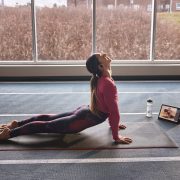
Remote healthcare practitioners offer individualized exercise recommendations accommodating unique health limitations. They explain specific movements benefiting particular conditions while avoiding others potentially causing harm. Online doctors demonstrate proper form, ensuring exercise safety and effectiveness. They suggest activity modifications addressing varying symptom levels on different days. Virtual physicians emphasize realistic progression, preventing injury from excessive intensity. This personalized guidance helps patients incorporate appropriate movement safely into daily routines.
Virtual healthcare professionals provide invaluable self-care education extending beyond appointment times. These comprehensive insights empower patients with practical tools for daily health management, creating collaborative relationships between doctors and individuals. Online medical guidance increasingly focuses on teaching sustainable wellness practices that apply to everyday life.









Comments