
 By
By 
Introduction
A dentist plays a pivotal role in maintaining oral health, diagnosing and treating dental conditions, and educating patients about proper dental hygiene practices. Dental care is not limited to just cleaning teeth; it encompasses prevention, restoration, and management of complex oral health issues. Understanding the role of a dentist and the scope of their services can empower individuals to make informed decisions about their oral care and overall health.
Some people prefer natural oral care alternatives, and ubat gigi tanpa florida is a popular choice in Malaysia. These toothpaste options avoid fluoride, catering to those concerned about chemical exposure. They often include herbal ingredients that promote gum health and freshness, making them suitable for sensitive users and children.
The Role of a Dentist
Dentists are healthcare professionals specializing in oral health. Their primary responsibility is to ensure the proper care of teeth, gums, and the entire oral cavity. Beyond routine checkups, dentists manage a variety of conditions, including tooth decay, gum disease, oral infections, and structural issues related to the jaw and teeth alignment.
Dentists also provide preventive care, which is crucial for avoiding complex dental problems. Regular checkups, professional cleanings, fluoride treatments, and patient education are essential aspects of preventive dentistry. By detecting early signs of decay or gum disease, dentists can recommend interventions that save patients from pain, discomfort, and costly procedures in the future.
Types of Dentists
Dentistry is a diverse field, and many dentists specialize in particular areas of oral care:
-
General Dentist: Provides routine dental care, preventive services, and basic restorative treatments such as fillings and crowns.
-
Orthodontist: Specializes in teeth alignment, bite correction, and the use of braces or clear aligners.
-
Periodontist: Focuses on the prevention and treatment of gum disease, including surgical interventions for severe cases.
-
Endodontist: Specializes in treating issues within the tooth, particularly root canal therapy.
-
Oral and Maxillofacial Surgeon: Performs complex surgical procedures such as tooth extractions, corrective jaw surgery, and treatment of oral injuries.
-
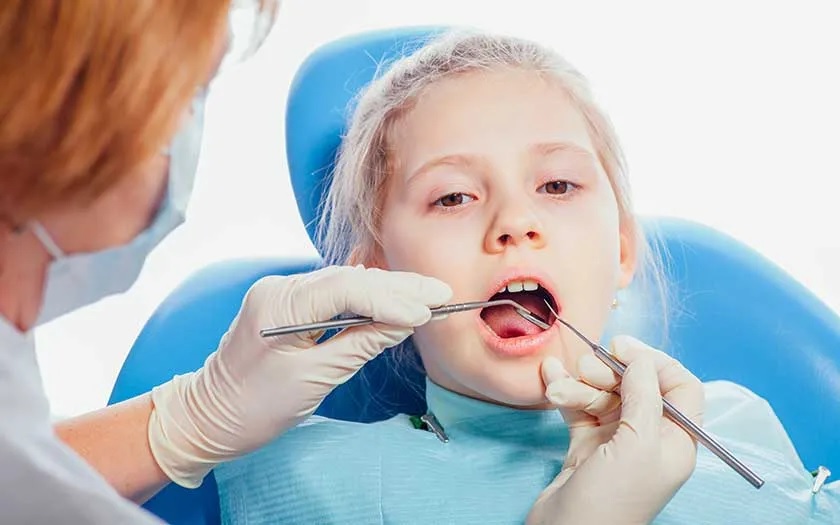
Pediatric Dentist: Provides dental care for children, emphasizing education and preventive treatments suitable for young patients.
-
Prosthodontist: Designs and fits prosthetic devices, such as dentures, bridges, and dental implants.
Services Provided by Dentists
Dentists offer a wide range of services that cater to both preventive and restorative oral care. These services include:
-
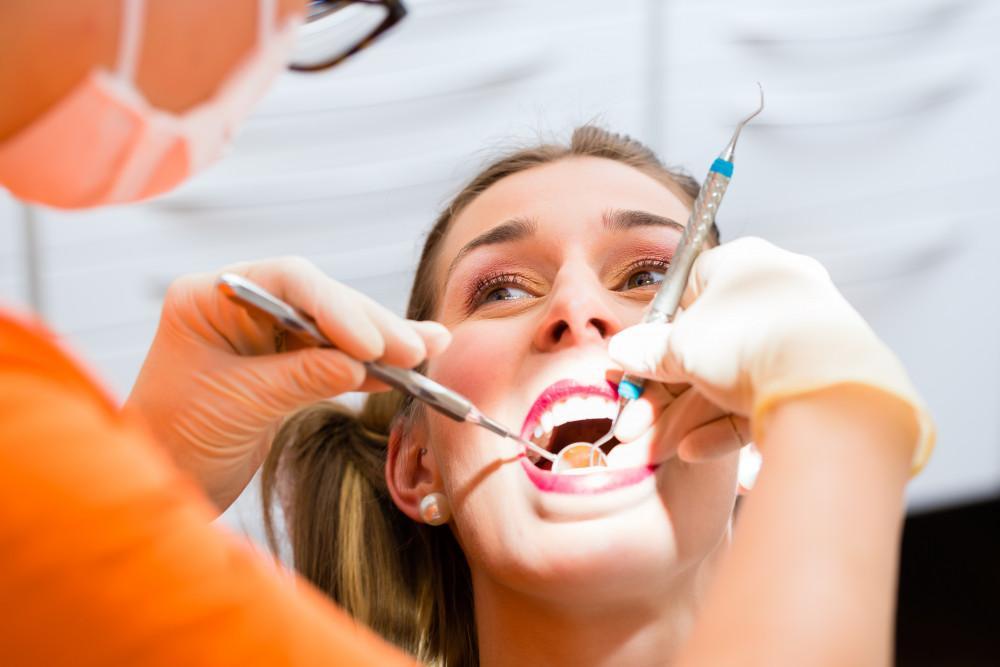
Routine Checkups and Cleanings: Professional cleanings remove plaque and tartar buildup, while examinations help detect early signs of dental problems.
-
Fillings and Restorations: Treat cavities and restore tooth function using materials such as composite resin or amalgam.
-
Crowns and Bridges: Protect damaged teeth or replace missing teeth to maintain oral function and aesthetics.
-
Root Canal Therapy: Treat infected or damaged tooth pulp, saving teeth that might otherwise need extraction.
-
Orthodontic Treatment: Correct misaligned teeth, improve bite functionality, and enhance overall appearance.
-
Dental Implants: Replace missing teeth with artificial roots and crowns that mimic natural teeth.
-
Periodontal Treatment: Manage gum disease, including scaling, root planing, and surgical procedures if necessary.
-
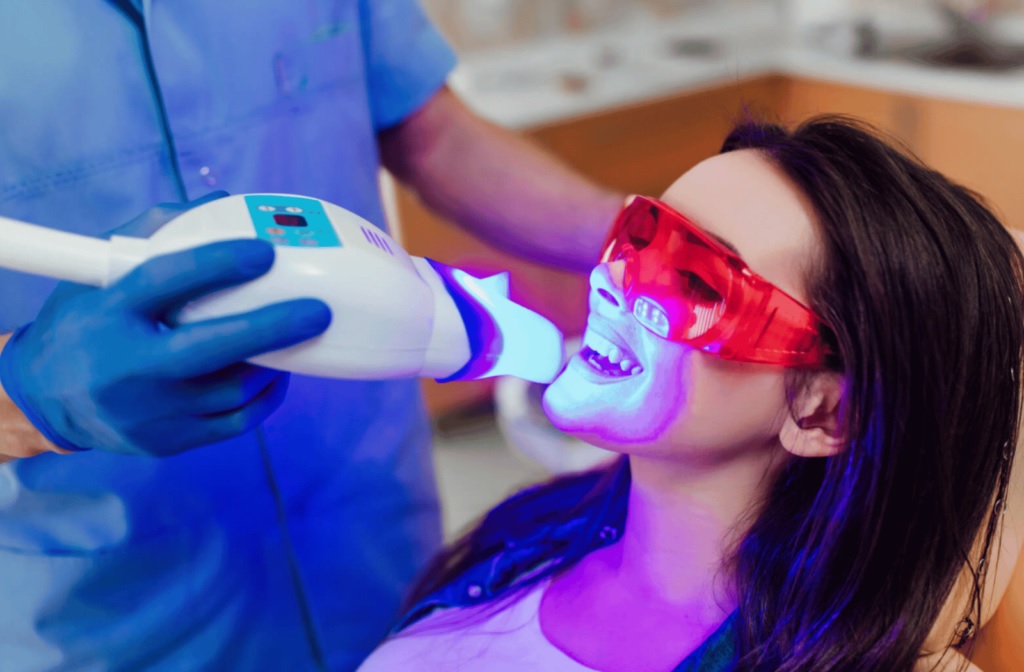
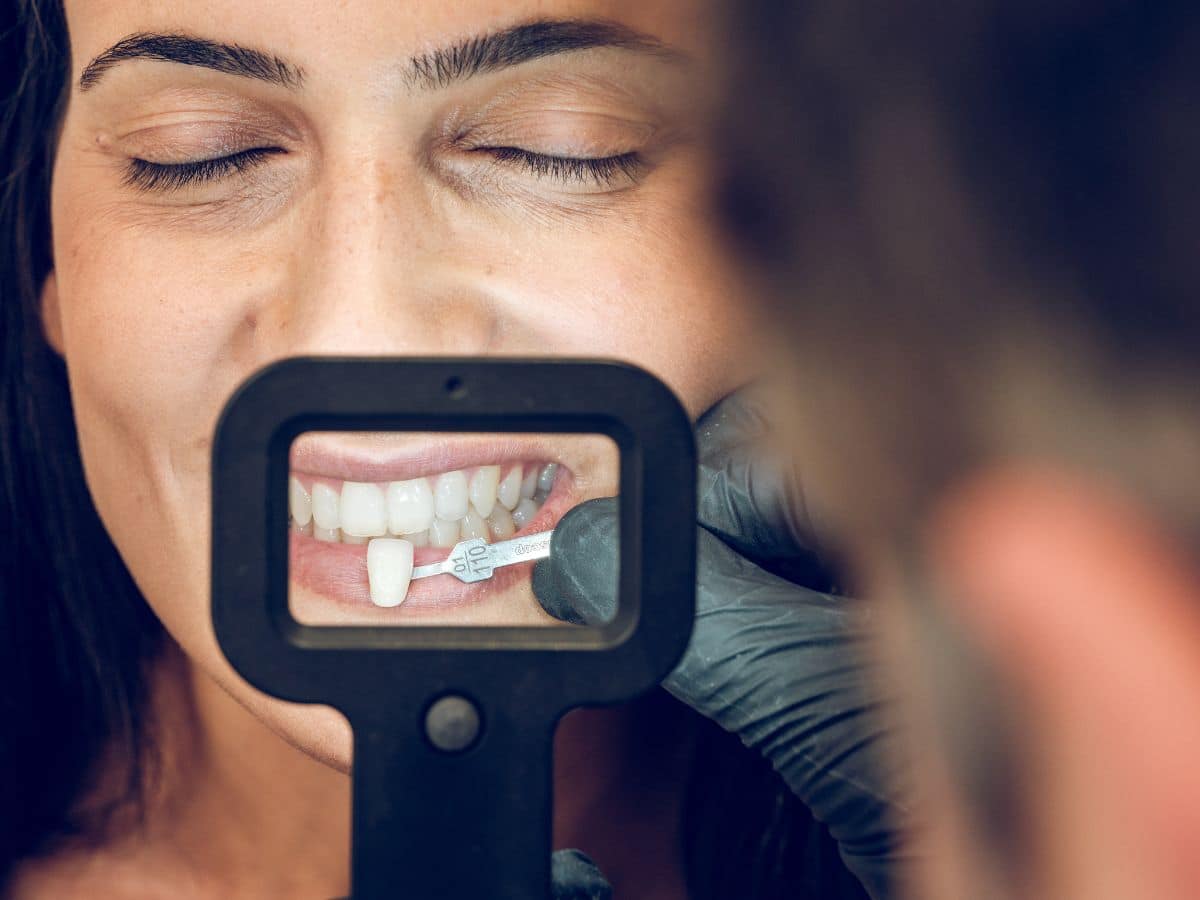
Cosmetic Dentistry: Procedures like teeth whitening, veneers, and smile makeovers improve appearance and boost confidence.
Importance of Regular Dental Visits
Regular dental visits are critical for maintaining oral health and preventing serious complications. Many dental issues, such as cavities and gum disease, develop gradually without noticeable symptoms. Routine checkups allow dentists to detect these conditions early, ensuring timely treatment and preventing further deterioration.
Dental visits also allow patients to receive personalized guidance on oral hygiene practices, diet, and lifestyle choices that impact dental health. Children and adults alike benefit from professional monitoring of tooth development, jaw alignment, and preventive care recommendations.
Preventive Dental Care at Home
While dentists provide professional care, daily oral hygiene is essential for maintaining healthy teeth and gums. Key preventive practices include:
-
Brushing: Twice-daily brushing with fluoride toothpaste removes plaque and prevents tooth decay.
-
Flossing: Daily flossing reaches areas between teeth where brushes cannot, reducing the risk of gum disease.
-
Mouthwash: Antiseptic or fluoride mouthwashes help control bacteria and strengthen enamel.
-
Dietary Choices: Limiting sugary snacks and beverages reduces the risk of cavities, while a balanced diet supports oral and overall health.
-
Avoiding Tobacco: Smoking and chewing tobacco increase the risk of gum disease, oral cancer, and tooth loss.
Technological Advancements in Dentistry
Modern dentistry has evolved significantly, with advanced technologies improving diagnostic accuracy, treatment efficiency, and patient comfort. Key innovations include:
-
Digital X-rays: Provide high-resolution images with lower radiation exposure, allowing detailed examination of teeth and jaw structures.
-
Laser Dentistry: Minimally invasive treatments for soft tissue procedures, reducing discomfort and recovery time.
-
3D Printing: Used for creating dental prosthetics, crowns, and surgical guides with high precision.
-
Intraoral Cameras: Enable dentists to show patients detailed images of their teeth and gums, improving education and treatment understanding.
-
CAD/CAM Technology: Computer-aided design and manufacturing allow the creation of crowns, veneers, and bridges in a single visit.
Choosing the Right Dentist
Selecting a dentist involves several considerations to ensure quality care and comfort. Key factors include:
-
Credentials and Experience: Verify licensure, education, and years of experience in dental practice.
-
Services Offered: Ensure the dentist provides the treatments you may require, including specialized services if needed.
-
Patient Reviews: Online reviews and testimonials offer insight into the dentist’s approach, patient communication, and office environment.
-
Location and Accessibility: Choose a convenient location and office hours that fit your schedule.
-
Insurance and Payment Options: Confirm acceptance of insurance plans and availability of flexible payment methods.
Understanding Dental Anxiety
Dental anxiety is common and can prevent patients from seeking timely care. Dentists employ various strategies to alleviate fear and ensure a comfortable experience:
-
Communication: Explaining procedures clearly helps patients feel informed and reduces uncertainty.
-
Sedation Options: Nitrous oxide (laughing gas), oral sedation, or intravenous sedation can ease anxiety during treatment.
-
Comfort Measures: Modern dental chairs, headphones, and calming environments improve patient experience.
Impact of Oral Health on Overall Health
Oral health is closely linked to overall health. Poor dental hygiene can contribute to systemic conditions such as heart disease, diabetes, respiratory infections, and complications during pregnancy. Maintaining oral health through regular dental visits and proper home care supports general well-being and longevity.
Signs It’s Time to Visit a Dentist
Certain symptoms indicate that a dental visit is necessary:
-
Persistent toothache or sensitivity
-
Swollen, bleeding, or receding gums
-
Loose or damaged teeth
-
Difficulty chewing or biting
-
Changes in the appearance of teeth or gums
-
Bad breath that does not improve with brushing
By addressing these issues promptly, dentists can prevent further complications and preserve oral function.
Dental Care for Children and Seniors
Dental needs vary across life stages.
-
Children: Pediatric dentists focus on monitoring tooth eruption, preventing cavities, and establishing positive dental habits. Fluoride treatments and sealants protect primary and permanent teeth.
-
Seniors: Older adults may face challenges such as tooth loss, gum recession, and dry mouth. Dentists provide tailored care, including dentures, implants, and management of age-related oral conditions.
Importance of Cosmetic Dentistry
Cosmetic dentistry not only enhances appearance but also improves oral function. Procedures like veneers, teeth whitening, and dental bonding correct aesthetic issues while supporting dental health. A confident smile can positively impact social interactions, self-esteem, and professional opportunities.
Dental Emergencies
Dental emergencies require immediate attention to prevent permanent damage. Common emergencies include:
-
Knocked-out teeth
-
Severe toothache or infection
-
Cracked or broken teeth
-
Abscesses or swelling
Dentists provide prompt care, often combining pain relief with restorative procedures to preserve oral health.
Conclusion
A dentist is an essential partner in maintaining oral and overall health. Through preventive care, early detection, treatment of dental conditions, and patient education, dentists help individuals enjoy strong teeth, healthy gums, and a confident smile. Regular dental visits, combined with proper home care, support long-term oral health and contribute to overall well-being.
FAQs
1. How often should I visit a dentist?
Most individuals should schedule dental checkups every six months. However, frequency may vary based on individual oral health, age, and risk factors.
2. What is the difference between a general dentist and a specialist?
A general dentist handles routine care and common procedures, while specialists focus on specific areas such as orthodontics, periodontics, or oral surgery.
3. Are dental X-rays safe?
Yes, modern dental X-rays use minimal radiation and are safe for most patients. Dentists follow strict guidelines to minimize exposure.
4. Can dental issues affect my overall health?
Yes, conditions like gum disease are linked to heart disease, diabetes, and other systemic health problems. Maintaining oral hygiene supports overall wellness.
5. What should I do if I have dental anxiety?
Communicate your concerns to your dentist, explore sedation options, and choose a practice with patient-centered care to make visits more comfortable.
6. Are cosmetic dental procedures purely aesthetic?
While improving appearance is a primary goal, many cosmetic procedures also enhance oral function, protect teeth, and prevent further dental issues.
7. How can I prevent cavities and gum disease at home?
Maintain a daily routine of brushing twice a day, flossing, using mouthwash, limiting sugary foods, and visiting your dentist regularly for professional care.
This comprehensive guide emphasizes the critical role of dentists, highlights the wide range of services offered, and provides practical tips for maintaining oral health across all ages.






Comments