
 By
By 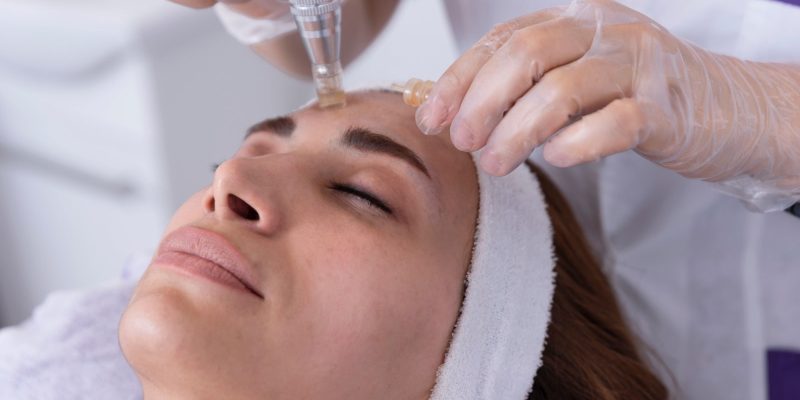
Interest in regenerative aesthetics has increased as patients look for approaches that focus on skin quality rather than surface-level correction. When researching stem cell therapy for face Thailand, many people want a clear understanding of what the procedure involves and how it differs from more conventional cosmetic treatments. While marketing language often simplifies the process, the reality is structured, clinical, and individualized.
A stem cell facial procedure is designed to support the skin’s natural repair and renewal mechanisms. Instead of filling or freezing specific areas, the focus is on encouraging cellular activity that influences texture, elasticity, and overall skin vitality. The intention is gradual improvement rather than immediate dramatic change.
Before any treatment takes place, consultation is essential. Doctors assess skin condition, medical history, and overall health status. Not every patient is automatically suitable for regenerative procedures. Active infections, certain autoimmune conditions, or unrealistic expectations may affect candidacy. A responsible provider will clarify what the therapy can and cannot address before moving forward.
The Preparation Phase
Preparation begins with a clinical skin assessment. Physicians evaluate concerns such as fine lines, uneven tone, texture irregularities, or early laxity. The goal is to determine whether stem cell therapy aligns with the specific skin issues presented.
Once suitability is confirmed, the procedure plan is outlined. This may include cleansing protocols, numbing agents for comfort, and precise delivery methods tailored to the treatment area. Unlike some aesthetic procedures that rely on standardized application, regenerative facial therapy is often adjusted based on skin thickness, sensitivity, and treatment goals.
The preparation stage also involves setting realistic expectations. Results are not instantaneous. Because the treatment works through biological signaling and tissue response, changes develop progressively over time.
During the Procedure
The procedure itself typically involves introducing regenerative material into the skin through controlled techniques. This may be performed using fine injections or micro-application devices depending on the treatment plan. The process is structured to stimulate the dermal layer, where collagen and elastin production take place.
Most sessions are completed within a manageable timeframe. Patients may experience mild redness or swelling immediately afterward, which is a normal response to controlled skin stimulation. Discomfort is generally limited and monitored throughout the session.
Clinical supervision ensures precision in placement and dosage. The aim is controlled stimulation rather than aggressive alteration.
Recovery and Gradual Improvement
After the procedure, patients are usually advised to follow specific post-treatment guidelines. This may include avoiding excessive sun exposure, limiting intense exercise for a short period, and using supportive skincare products recommended by the clinic.
Improvement tends to occur gradually as the skin’s natural repair processes respond. Texture may appear smoother over time, and tone may look more balanced as collagen support develops. Because regenerative therapy works internally, visible changes reflect biological activity rather than temporary surface effects.
Follow-up appointments allow doctors to assess progress and determine whether additional sessions are appropriate. Stem cell facial procedures are not positioned as a one-time transformation but as part of a structured skin health strategy guided by medical evaluation and ongoing assessment.









Comments