
 By
By 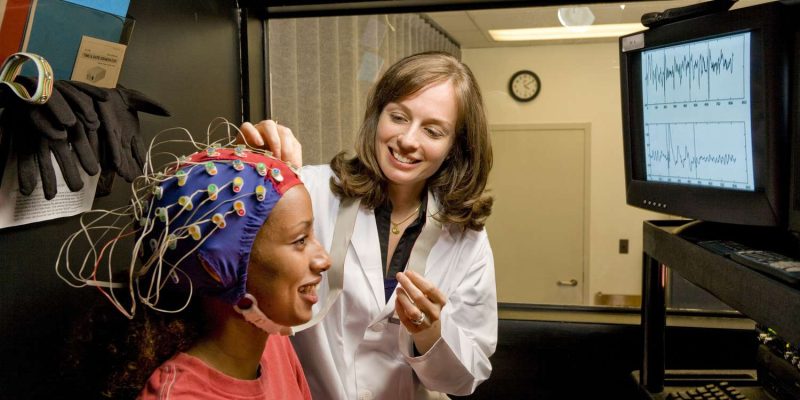
Depression affects many people across Australia, bringing persistent feelings of sadness, fatigue, and a loss of interest in activities once enjoyed. While traditional talk therapies and medication are valuable supports, some individuals find they need additional options. Neurotherapy presents a modern approach that works directly with the brain’s activity to help manage and reduce depressive symptoms. This method uses technology to understand and retrain brainwave patterns, offering a path towards improved mental well-being.
For those exploring different treatment avenues, understanding what is available is an important first step. In regions like New South Wales, access to varied mental health services is growing. When considering options for depression therapy NSW, it’s helpful to learn about innovative techniques such as neurotherapy. It operates on the principle that our brain activity influences our thoughts, feelings, and behaviours. By identifying and adjusting irregular brainwave patterns associated with depression, it may be possible to foster a more balanced mental state.
This form of therapy is non-invasive and does not involve medication. Instead, it relies on real-time feedback to help you learn how to regulate your own brain function. During a session, sensors are placed on the scalp to monitor brainwaves. This information is then presented back to you, often through visual or auditory cues like a game or a sound. Over time, your brain learns to produce healthier patterns, which can lead to a significant reduction in depressive symptoms.
How Does Neurotherapy Address Depression?
Research suggests that depression is often linked to specific patterns of brain activity. For example, some studies show an imbalance between the left and right frontal lobes of the brain. The left frontal lobe, associated with positive emotions and motivation, may show reduced activity, while the right frontal lobe, linked to negative emotions, can be overactive.
Neurotherapy, specifically a technique called neurofeedback, targets these imbalances. The goal is to encourage the brain to produce more of the brainwave patterns that support a stable and positive mood. By rewarding the brain for shifting its activity towards a healthier state, the process reinforces new neural pathways. This retraining can help lift the persistent fog of depression, improve concentration, and restore energy levels.
What are the Benefits?
One of the main advantages of neurotherapy is its focus on long-term change. Instead of only managing symptoms, it aims to correct the underlying brain activity contributing to them. Many people find the effects to be lasting, as the brain learns a new way of functioning.
Because it is a learning-based process, it empowers you to take an active role in your own recovery. It can be used alongside other treatments, such as counselling, to provide a comprehensive support system for mental health. For individuals in Australia looking for an alternative or complementary approach to managing depression, neurotherapy offers a promising and gentle technique for regaining control and improving quality of life.









Comments